
Trump faces pressure over alleged invented fraud claims
 Trump
Trump California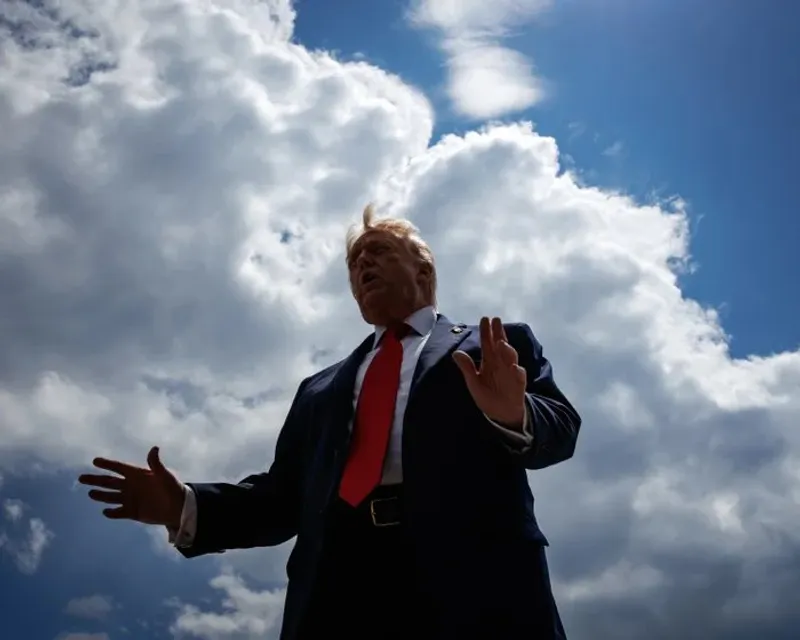
TLDR: CALIFORNIA—Experts warn Donald Trump is inventing fraud in California’s primary elections as his administration prepares loyalists to amplify baseless allegations, risking public trust. The claims target election outcomes and could intensify when more races contradict him, affecting voters, election workers, and officials.
Key Takeaways:
- Pro-democracy groups say Trump repeatedly escalates election integrity narratives after setbacks, including from past TV and 2020 losses.
- Experts warn the California primary is fueling a familiar playbook: invent fraud claims and push them through aligned channels.
- If additional races go against him, the accusations could grow louder, pressuring election officials and deepening voter mistrust.

This is the political magician’s trick: declare the outcome illegitimate before the applause even starts. In California, the real suspense is whether institutions absorb the noise or get pulled into it.
This is the political magician’s trick: declare the outcome illegitimate before the applause even starts. In California, the real suspense is whether institutions absorb the noise or get pulled into it.
Q&A
What usually happens to election administration when a president’s office fuels fraud allegations before formal audits or court review?
Election agencies often get inundated with legal and media demands, which can drain staff time and raise compliance burdens even when the underlying claims lack evidence.
Why do pro-democracy experts focus so much on message amplification by loyalists rather than the original claim itself?
The harm can come from scale and repetition. Even debunked statements can harden into belief when repeated by trusted insiders and broadcast through rapid media cycles.
What would be the most meaningful sign that Trump’s claims are changing tactics rather than repeating old rhetoric?
Watch for new targeting: specific counties, named election workers, or direct pressure on certification timelines. Those are moves that raise operational and legal stakes.
How have similar “fraud narratives” historically affected voter behavior even when courts reject the allegations?
They can depress turnout, increase absentee and polling place avoidance, and trigger protest actions that treat loss as proof of conspiracy.
What protections exist for voters and election workers if baseless claims intensify after additional losses?
Legal safeguards include evidence thresholds for court actions and certification procedures, while practical safeguards include public reporting, secure election systems, and support channels for officials.



No comments yet. Be the first to share your thoughts!