
 AI
AI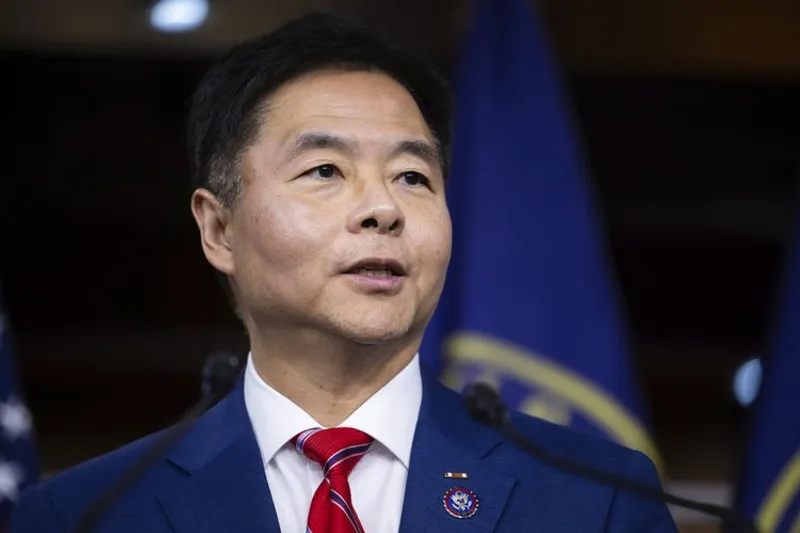
TLDR: WASHINGTON—House Democrat Ted Lieu condemned a 269 page bipartisan AI bill from Jay Obernolte and Lori Trahan, saying it cannot match the stakes because it misses key issues and already faces civil rights and labor backlash. The dispute sharpens rifts among Democrats as Congress races for an AI regulatory framework.
Key Takeaways:
- Lieu, a member of Hakeem Jeffries’ AI commission, says Democrats must rally broader support before any AI bill can survive Congress.
- He targets Obernolte and Trahan’s framework, arguing it overrides some state AI laws and leaves major concerns uncovered.
- Pushback from civil rights groups, labor, and AI safety forces suggests any bipartisan draft still risks stalling without a coalition.
- Trahan says she joined talks over fears tied to Anthropic’s Mythos model and argues for fast cross party action.

In a party built for momentum, Lieu is choosing friction. If Democrats keep trading talking points instead of coalitions, the loudest voices will decide what AI rules Congress actually delivers.
In a party built for momentum, Lieu is choosing friction. If Democrats keep trading talking points instead of coalitions, the loudest voices will decide what AI rules Congress actually delivers.
Q&A
What leverage does Lieu’s commission have if the bipartisan bill keeps momentum?
If Jeffries’ AI commission produces a competing proposal by the end of the year, it can reshape committee priorities and force lawmakers to choose between frameworks.
Why is overriding state AI laws such a flashpoint for Democratic unity?
Democrats who favor strong rights protections often view preemption as stripping states of tools that safety and civil rights groups already rely on.
How could civil rights and labor pushback change the bill without killing it?
Lawmakers can add oversight, documentation requirements, and enforcement guardrails, then trade back on preemption or scope to win votes.
What happens to the bipartisan effort if Trahan and Obernolte cannot secure enough Democratic support?
The effort may fragment into narrower measures, like transparency or risk reporting, rather than a single comprehensive framework.
Why does the urgency around models like Anthropic’s Mythos make consensus harder?
When lawmakers fear rapid real world disruption, they compress timelines and intensify pressure for quick deals, leaving less room to negotiate protections that slower consensus requires.
Top in AI

YouTube Terms of Service Allow AI Music Training, Google Says

Art Directors Guild challenges Scorsese over FLUX storyboarding AI

Art Directors Guild attacks Scorsese AI partnership
Anthropic rolls out Claude Fable 5, throttling Mythos queries

No comments yet. Be the first to share your thoughts!