
 IPO
IPO SpaceX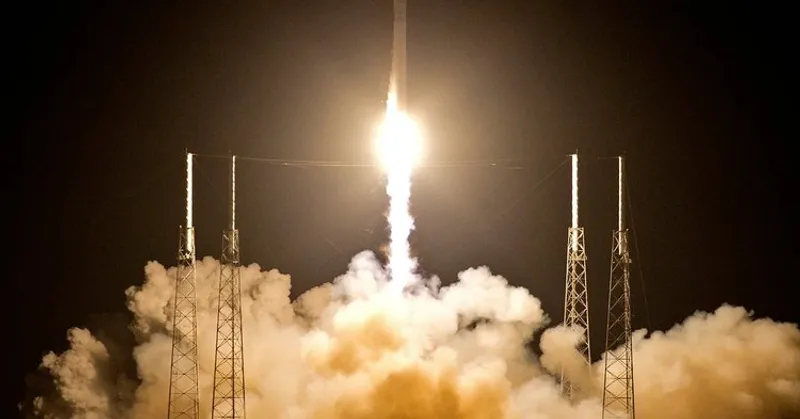
TLDR: NASDAQ—SpaceX sets IPO pricing for $135 this week, with trading under SPCX on Nasdaq next day. Retail investors can request shares via major brokerages.
Key Takeaways:
- SpaceX will price its IPO Thursday and start trading the next day on Nasdaq as SPCX. Reuters previously pegged retail allocation near 30%, unusually high.
- The offering targets about 555,555,555 Class A shares, roughly 4.25% of total stock float. SpaceX expects $75 billion and a $1.77 trillion valuation.
- Retail requests do not guarantee full fills, and IPO demand can cut orders to fractions. Some private secondary access has dried up, so timing and volatility matter.

This is the rare rocket launch where the crowd can actually press the button, even if brokers still ration the final boarding passes. Expect enthusiasm at the offer price, then a fast reality check once trading starts.
This is the rare rocket launch where the crowd can actually press the button, even if brokers still ration the final boarding passes. Expect enthusiasm at the offer price, then a fast reality check once trading starts.
Q&A
Why is the retail allocation potentially triple the usual IPO share for individuals?
It signals a deliberate strategy to broaden early ownership and public buzz. When demand runs hot, that can still translate into partial fills for retail orders.
What will determine whether retail investors get their requested share count?
Brokerage and IPO allocation supply, plus investor eligibility checks and order timing. Even with confirmed interest, supply limits can mean fewer shares than the request.
How does the IPO pricing range affect what happens during the first trading days?
If market pricing quickly rerates the company, the gap between $135 and the first prints can drive sharp swings. That makes post IPO patience a bigger variable than the offer price.
What does the shift away from private secondary platforms imply for newcomers?
It suggests fewer backdoor ways to buy before listing, pushing most retail participation into the IPO request window or the open market. That raises the importance of brokerage process timing.
Could index and 401 k exposure change the buying pressure after listing?
Potential inclusion in index based funds can create systematic buying, but only after fund processes and tracking decisions. That can extend demand beyond the initial day frenzy.





No comments yet. Be the first to share your thoughts!