
 Elon Musk
 AI
AI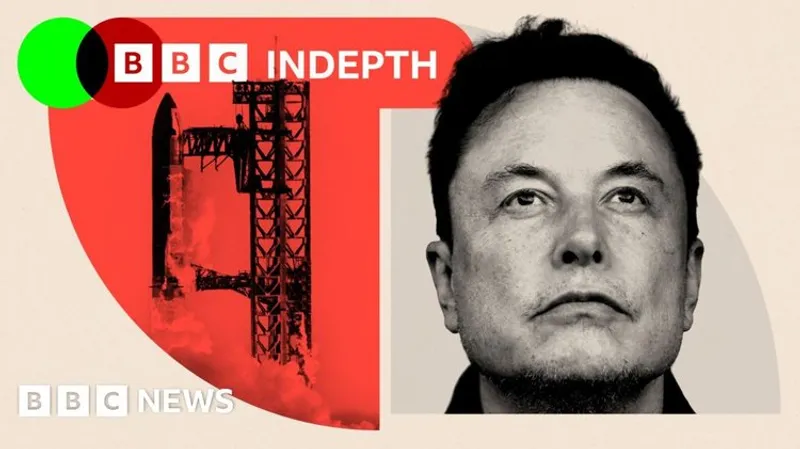
TLDR: STARBASE, Texas—SpaceX shares begin trading June 12 after a launch and return test at Starbase. The IPO opens Musk controlled ownership to UK retail investors.
Key Takeaways:
- SpaceX is already tied to geopolitical reach through Starlink and to broader AI ambitions including xAI and proposed space based data centers.
- Share trading starts June 12, with UK retail investors expected to get about 1.5 billion pounds in allocations as valuation targets reach 1.75 trillion dollars.
- Investors are buying a premium for control without control, betting AI scale will justify price even as SpaceX reported nearly 5 billion dollars in losses last year.
- The listing follows a Starship booster landing using Mechazilla at Starbase, a milestone aimed at reducing launch costs through reuse.

Musk gets to sell the future twice at once: rockets landing like clockwork and an IPO that turns believers into shareholders without real steering power. It is the kind of bet that can mint trillion dollar winners or just as easily humble everyone who chased the hype.
Musk gets to sell the future twice at once: rockets landing like clockwork and an IPO that turns believers into shareholders without real steering power. It is the kind of bet that can mint trillion dollar winners or just as easily humble everyone who chased the hype.
Q&A
If SpaceX founders retain voting control at launch, how might that shape investor behavior during market swings?
Investors may treat the shares more like brand and conviction exposure than traditional corporate governance, which can amplify volatility when sentiment flips.
What does the Mechazilla capture attempt signal for costs, and how quickly would investors expect proof in earnings?
Successful reuse can lower unit launch costs over time, but investors will likely watch for margin changes, contract wins, and launch cadence rather than only test headlines.
Why could the valuation hinge more on AI than on rockets even if rockets drive the public story?
The prospectus framing and market sizing suggest most upside is projected in AI linked services and computing ambitions, while rockets and communications alone look smaller in the valuation math.
How might Starlink revenue performance temper fears about an AI driven conglomerate valuation?
Sustained cash flow from Starlink can act as a stabilizer, giving investors something measurable while the riskier AI and space computing bets scale up.
What happens if many AI IPOs follow SpaceX and supply rises faster than demand?
Prices could face downward pressure as markets absorb more new listings, especially if index fund buying does not keep pace with the broader supply flood.
Top in Stocks

Bonnie Chan spotlights Hong Kong IPO momentum shift

KOSPI whiplashes as Samsung and SK Hynix reverse

SpaceX IPO demand pulls liquidity as crypto and tech dip

Hyperliquid SPCX perp resets expectations ahead of SpaceX IPO

No comments yet. Be the first to share your thoughts!