
 AI
AI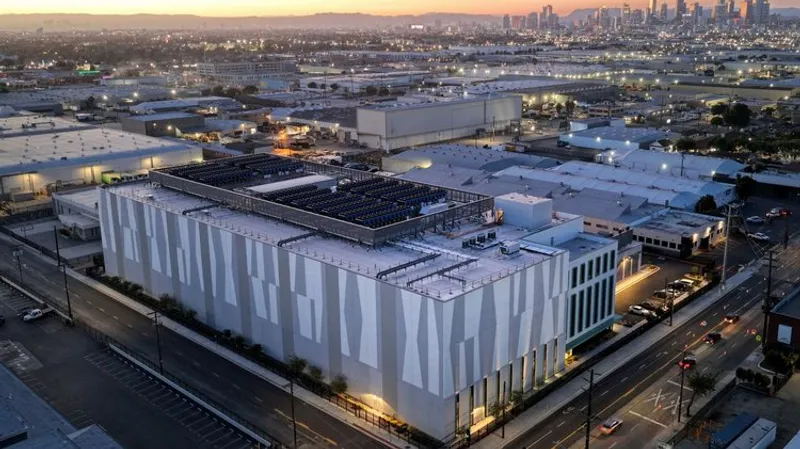
TLDR: SEATTLE—Seattle City Council voted unanimously for a one year moratorium on new data center construction, buying time to write AI specific rules after residents warned of higher electricity bills.
Key Takeaways:
- Seattle is home to Amazon and Microsoft, while multiple proposed AI projects drew backlash over strain on the power grid, land use, and housing impacts.
- Councilmembers Debora Juarez and Eddie Lin backed the unanimous moratorium, citing energy use and environmental risks, while noting it does not stop AI or existing plans.
- The pause shifts pressure from approving projects to regulating them, and it signals tighter scrutiny of hyperscaler expansion and its cost to ratepayers.

Seattle is basically telling the AI boom it still needs a local permission slip, not a default yes. The irony is that even a temporary timeout will be felt most by residents opening their next electricity bill.
Seattle is basically telling the AI boom it still needs a local permission slip, not a default yes. The irony is that even a temporary timeout will be felt most by residents opening their next electricity bill.
Q&A
What could Seattle require during the moratorium that slows future AI data center approvals?
Expect tighter conditions tied to power supply capacity, water sourcing and discharge, noise controls, and clearer tradeoffs for land use and housing, since the council is explicitly using the year to build rules.
Why does a moratorium on new projects matter if AI demand is already accelerating?
It can delay the physical infrastructure that turns demand into local energy use, giving the city time to align permitting with grid reliability and environmental limits rather than reacting after construction begins.
How might Seattle’s approach affect Amazon and Microsoft expansion plans in the region?
They may shift some timelines or locations while Seattle develops metrics and enforcement, potentially pushing projects toward jurisdictions with faster permitting or clearer standards.
Could the city’s focus on electricity bills reshape how developers plan data center design?
Yes. If costs to ratepayers become a core approval factor, developers may prioritize efficiency upgrades, waste heat reuse, and commitments to predictable power draw instead of relying on growth assumptions.
Is Seattle likely to face legal or political pushback for targeting data centers without pausing AI altogether?
Cities across the US have seen lawsuits and lobbying when permitting pauses look like indirect targeting. Seattle’s decision to limit the moratorium to new projects and emphasize rulemaking could be designed to reduce that risk.





No comments yet. Be the first to share your thoughts!