
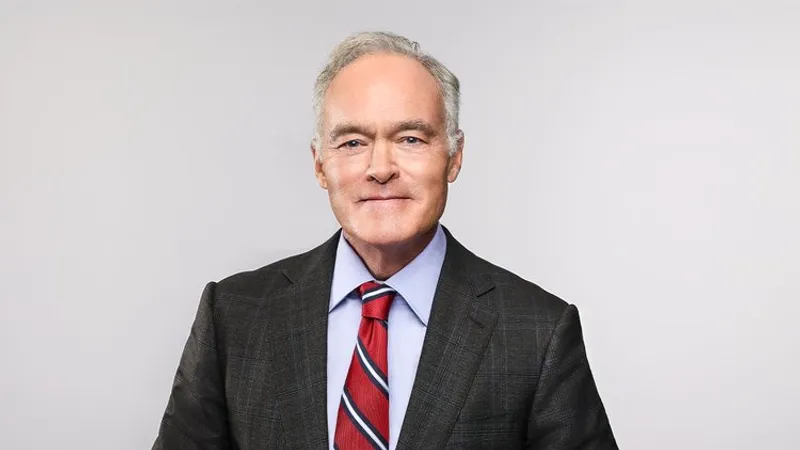
TLDR: NEW YORK—Scott Pelley blasted CBS News leadership after Nick Bilton fired him, alleging Bari Weiss demanded unverified claims and bias in a politically sensitive story. Pelley also cited a near miss where 60 Minutes almost did not air, and accused management of crushing the show’s values.
Key Takeaways:
- Pelley is a longtime 60 Minutes figure who says the program already lost senior leaders and two top correspondents last month, after he calls out political bias.
- Bilton told 60 Minutes staff Pelley "hijacked" a staff meeting, while Pelley accused management of instructing him to inject falsehoods, bias, and unverified assertions.
- The dispute turns on editorial control, with Pelley warning that letting politicians pick interview correspondents undermines 60 Minutes, raising questions about trust and safeguards.

This is the rare newsroom breakup where the credits do not roll quietly. Pelley is arguing that 60 Minutes became a negotiation, not a standard.
This is the rare newsroom breakup where the credits do not roll quietly. Pelley is arguing that 60 Minutes became a negotiation, not a standard.
Q&A
What happens to 60 Minutes credibility if Pelley’s unverified claim allegations gain traction?
CBS will likely face intensified scrutiny from media watchdogs and viewers, forcing tighter sourcing protocols, clearer editorial separation, and more transparent corrections.
Why would management invite politicians to choose interview correspondents if it risks editorial backlash?
Supporters may argue it secures access and alignment for high profile interviews, but critics see it as shifting control away from journalistic judgment.
If Pelley says a story nearly missed airing within 19 minutes, what operational failures might he be signaling?
He may be pointing to production chaos, last minute edits, or approvals that became bottlenecks, which can erode both staff morale and final broadcast accuracy.
How does Pelley’s confrontation with Nick Bilton change the conflict from policy to personality?
Once the dispute centers on manners and qualifications, it becomes harder to resolve with internal process alone, increasing the odds of public escalation and staff polarization.
Could earlier firings at CBS News be setting a precedent that makes future whistleblower claims more likely?
If management targets senior voices after tense meetings, others may anticipate similar pressure, leading to more confrontations over editorial independence.
Top in Opinion

Trump grabs the America 250 stage, eyes World Cup
Trump calls fired Scott Pelley “stiff” after CBS ouster
Trump forced labor tariffs loom as older levies expire

Pulte acting spy chief sparks fears of politicized intelligence

No comments yet. Be the first to share your thoughts!