
TLDR: ATLANTA—Rogue Waymo cars looped a cul de sac in northwest Atlanta after persistent routing errors, worrying families and pets. Waymo said it already fixed the behavior.
Key Takeaways:
- Neighbors in northwest Atlanta reported Waymo driverless cars repeatedly entering a cul de sac on Battleview Drive each morning.
- When a resident blocked the entrance with a Step2Kid sign, eight automated cars got stuck trying to turn around.
- The incident spotlights how small routing failures can become real world safety problems, even when companies emphasize safety metrics.

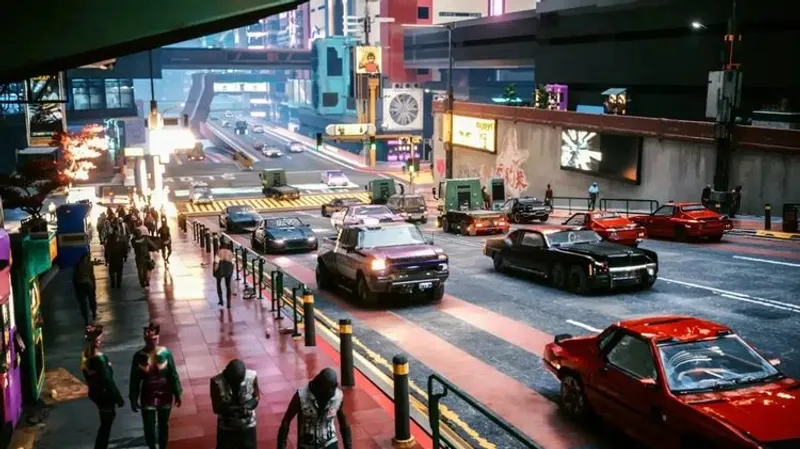
It is the kind of misroute that feels like a game quest until you are timing bus pickups around it. Waymo says it fixed the routing, but residents just want the city to behave like it has rules.
It is the kind of misroute that feels like a game quest until you are timing bus pickups around it. Waymo says it fixed the routing, but residents just want the city to behave like it has rules.
Q&A
What usually causes driverless fleets to repeat a route like this before a human notices?
Autonomous routing can get trapped by mapping updates, temporary road geometry, blocked entrances, or behavior that prioritizes passenger pickup over safe local maneuvering. When the system keeps retrying the same plan, loops become repeatable.
Why did blocking the cul de sac with a sign lead to stuck vehicles instead of a quick reroute?
The car likely treated the blockage as a short term obstacle and attempted predefined turn around maneuvers rather than switching to a broader route. That suggests the fallback logic may not cover every edge case pedestrians create.
How could this affect future public acceptance of self driving services in residential neighborhoods?
Residents can tolerate normal operations, but repeated anomalies near kids and pets trigger faster reputational risk. That can increase demands for stronger geofencing, clearer escalation channels, and tighter performance reporting.
What should cities ask for after an incident like this, beyond a company statement?
Officials can request incident timelines, route logs, camera and sensor summaries where allowed, the exact fix deployed, and proof that the behavior will not return. Without that, the story becomes a promise instead of accountability.
Could this kind of Cyberpunk style moment push regulators toward different standards for autonomous routing?
It may, especially around geofenced safety envelopes, obstacle handling, and requirements for fail safe turn around behavior. Regulators tend to tighten rules after public, localized failures that cause confusion or perceived danger.





No comments yet. Be the first to share your thoughts!