
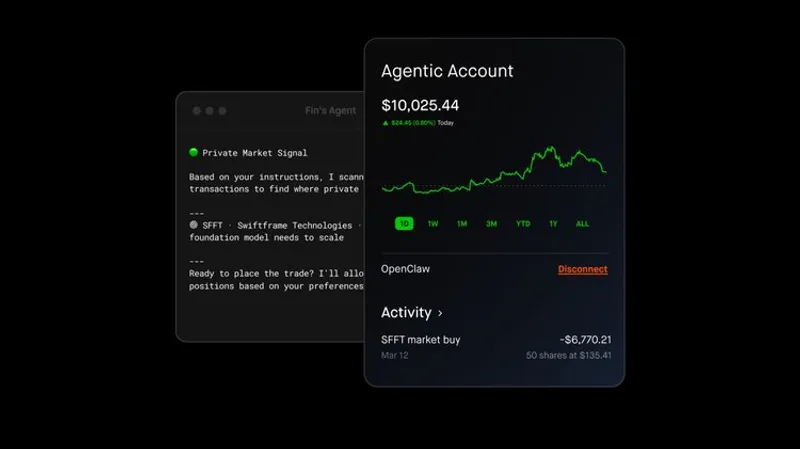
TLDR: Robinhood launched beta support for AI agentic trading on a dedicated wallet, with trade notifications, optional approvals, and fraud review for suspicious orders. It also released a virtual agentic credit card for AI payments, starting with Robinhood Gold.
Key Takeaways:
- Robinhood is extending AI features beyond advice toward hands on trading and payments using its Model Context Protocol service.
- Users can create a separate AI agent account, connect a dedicated wallet, and approve some trade previews before execution.
- The beta limits trades to stocks for now, while roadmap expansion and fraud reviews suggest Robinhood is betting on automated responsibility.

Letting AI place trades and make payments sounds like the future until you realize someone still has to decide when the future is allowed to spend. Robinhood is trying to make that choice feel optional, trackable, and hard to game.
Letting AI place trades and make payments sounds like the future until you realize someone still has to decide when the future is allowed to spend. Robinhood is trying to make that choice feel optional, trackable, and hard to game.
Q&A
What incentives might push users to fully automate approvals instead of reviewing every trade preview?
Friction is the enemy of automation. If previews become rare due to user settings and the agent’s strategy feels consistent, users may gradually allow straight through execution to save time.
How does a dedicated wallet change the risk profile compared with agents spending from a user’s main balance?
A segregated wallet creates a natural boundary for losses, dispute scope, and monitoring. It also makes it easier to attribute trades and payments to a specific agent.
Why does Robinhood emphasize fraud detection and a human review team for suspicious trades?
Automated trading increases the surface area for misuse, account takeover, and prompt or tool manipulation. A review team helps protect users when software logic fails.
What could happen when Robinhood expands agentic access to options, crypto, and futures?
More complex products amplify leverage and timing risk, so preview approvals, limits, and model constraints will likely matter even more, and user trust may rise or fall quickly.
Could Model Context Protocol become a competitive moat for fintech AI workflows?
If MCP becomes the standard glue for portfolio analysis, risk checks, and execution tooling, developers and power users may prefer Robinhood endpoints that integrate cleanly with their existing agents.
Top in Stocks

Groupon pivots to AI-native model, slashing up to 400

Pony AI stock surges as robotaxi revenue nearly quintuples

Intel slides after Northland downgrade tightens AI valuation fears
US Stocks Slip as White House Rejects Iran Peace Deal

No comments yet. Be the first to share your thoughts!