
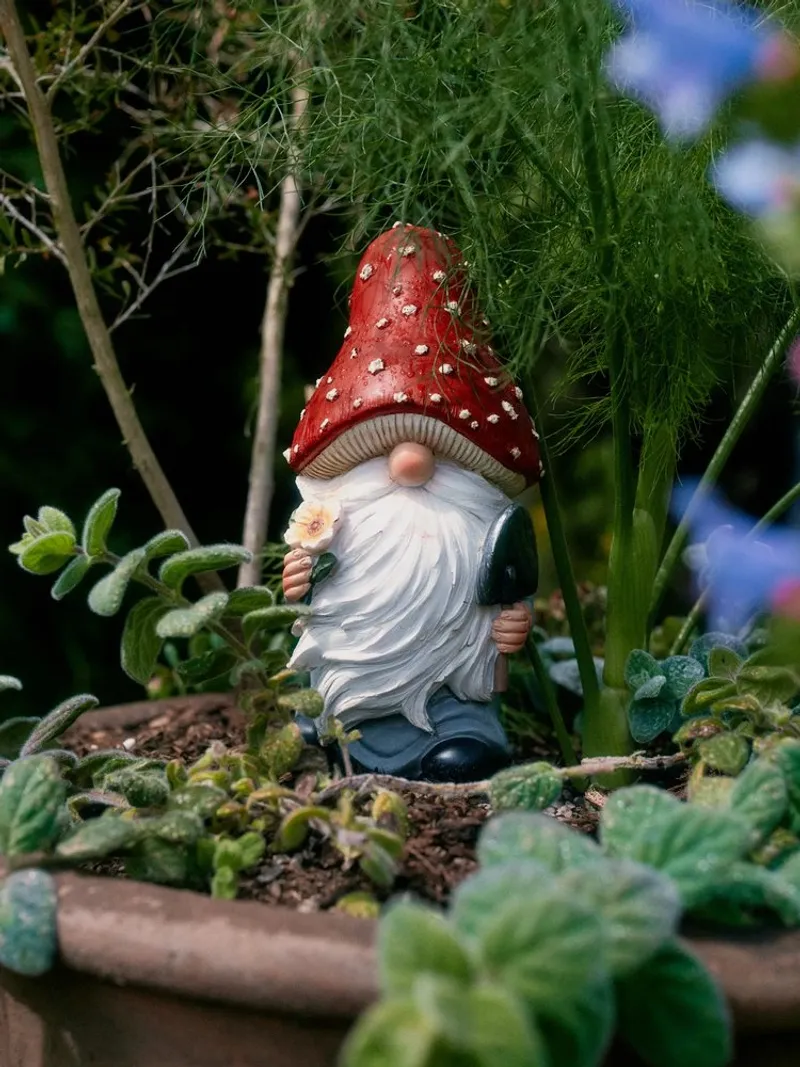
TLDR: LONDON—RHS Chelsea Flower Show briefly allows celebrity painted garden gnomes for an RHS school gardening fundraiser, until May 24. Bids include $900 for Mary Berry, $3,000 for Brian May, and $400 for Cate Blanchett.
Key Takeaways:
- Chelsea Flower Show brings 150,000 visitors to Royal Hospital Chelsea, where gnomes were banned after rules barred statuary and exhibit parts.
- RHS director general Clare Matterson lifted the gnome ban for celebrity gnomes by Cate Blanchett, Mary Berry, and Brian May, auctioning pieces tied to school gardening.
- This temporary policy turns a long running rule into a fundraising spotlight, with the gnome question likely returning after the auction ends.
- Bids show public pull: Berry at $900, May at $3,000, and Blanchett at $400, while the auction closes Sunday, May 24.

Rules can be stubborn, but Chelsea is proving gnomes are too profitable to ignore. For a few days, miniature mischief gets treated like headline culture, complete with Pimm's sips.
Rules can be stubborn, but Chelsea is proving gnomes are too profitable to ignore. For a few days, miniature mischief gets treated like headline culture, complete with Pimm's sips.
Q&A
Why did RHS ban gnomes in the first place if they’re such a familiar garden symbol?
The ban targeted exhibited statuary under event rules, treating gnomes like prohibited objects rather than allowable garden art. That made them easy to restrict across tents and displays.
What changes when gnomes go from forbidden figures to fundraiser stars?
They stop being background whimsy and become collectible branding. That shifts attention from planting education to celebrity driven collecting, even while supporting school gardens.
How could the auction results affect future RHS policy decisions?
If bids surge and donors engage, RHS has a measurable case for more targeted relaxations. The next debate may not be about gnomes, but about exceptions tied to fundraising outcomes.
What does a gnome ban reveal about how shows manage visitor experience and commercial space?
It shows RHS tries to control what counts as exhibit content inside structured tents. Temporary lifts suggest RHS can adapt when the incentive is aligned with its mission and charity goals.
If Highgrove keeps gnomes everywhere, why can’t Chelsea do the same year round?
Chelsea is a curated, rules heavy public showcase with standardized exhibit categories. Royal household gardens can be expressive without the same compliance constraints, so the tolerance level differs by setting.




No comments yet. Be the first to share your thoughts!