
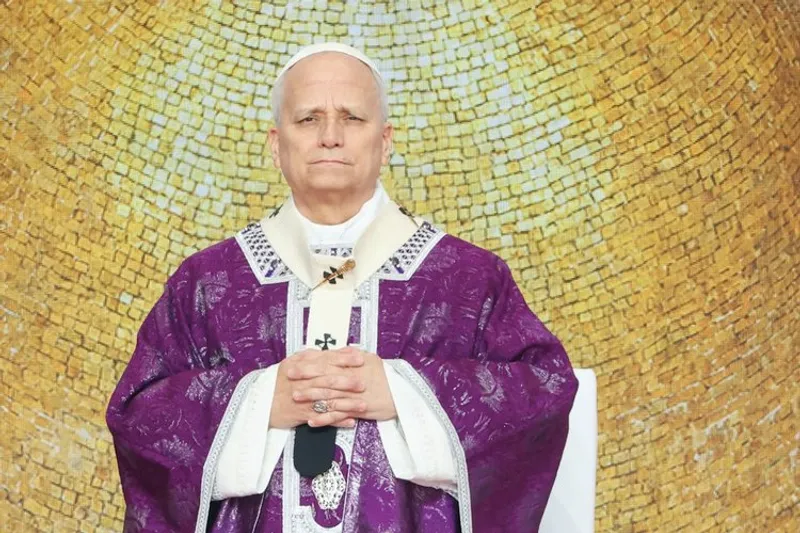
TLDR: VATICAN CITY—Pope Leo XIV released Magnifica Humanitas, attacking AI and Silicon Valley power over dignity, work, and truth.
Key Takeaways:
- Leo XIV anchors his AI critique in Pope Leo XIII’s 1891 social teaching on labor, wages, and unions.
- The encyclical calls AI “disarmed” from domination and denounces tech driven “new forms of slavery.”
- It links misinformation to democratic decay, and condemns harms to children from social media, grooming, and deepfakes.

This encyclical reads like a receipt. Instead of debating whether AI can think, Pope Leo XIV forces the question of who gets the leverage when humans become inputs and consumers become targets.
This encyclical reads like a receipt. Instead of debating whether AI can think, Pope Leo XIV forces the question of who gets the leverage when humans become inputs and consumers become targets.
Q&A
What pressure could Pope Leo XIV add beyond moral critique, given his focus on affected parents, educators, and elected officials?
The encyclical signals a push for organized responses that target laws, procurement standards, and school or health guidance, not just public opinion.
Why does calling AI “imitate functions” matter for policy decisions, not theology?
If AI lacks sentience and moral responsibility, regulators can shift from mind based debates to accountability for data, harms, and downstream choices.
How might the encyclical’s labor emphasis collide with business incentives in AI powered automation?
Firms profit from replacing costly work, but Leo’s framework demands economic orders that prioritize dignity, meaning tougher expectations for job protection and fair compensation.
Could the Vatican’s “crisis of truth” warning translate into a specific test for platforms and AI systems?
It points toward verifying systems that degrade factual trust, which can justify transparency demands for provenance, moderation, and accountability when misinformation spreads.
What happens if parents and schools treat deepfakes and social media harms as a governance issue rather than personal behavior?
That framing could accelerate stricter age controls, clearer consent rules, and school level media policies, since dignity and safety become institutional responsibilities.





No comments yet. Be the first to share your thoughts!