
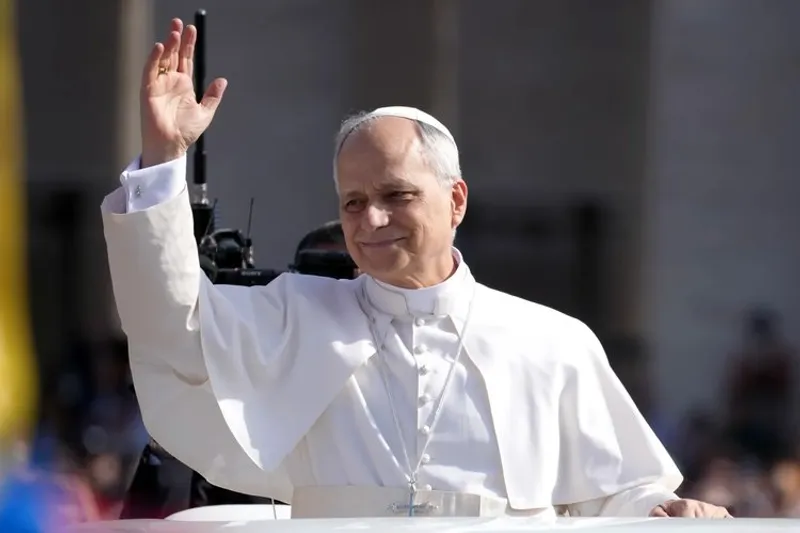
TLDR: VATICAN CITY—Pope Leo XIV released a 42,000 word AI encyclical warning against ready made answers and automation that undercuts creativity. The Vatican expert says it reframes AI as a labor and dignity fight, shaping how Hollywood creators and Silicon Valley handle regulation.
Key Takeaways:
- Vatican AI engagement has grown since Pope Francis pushed Church priorities toward workers, inequality, and climate harms.
- Leo XIV urges people to abandon a new Tower of Babel and examines how AI models are trained, while presenting with Anthropic co founder Christopher Olah.
- The document could pressure Silicon Valley guardrails, rally pro humanity voices in entertainment, and spark louder worker organizing and policy fights.

It is hard to get a celebrity pileup to agree on anything, yet this encyclical gives them shared language: dignity, creativity, and jobs. Silicon Valley may shrug at criticism, but it cannot ignore a pontiff speaking in its own dialect.
It is hard to get a celebrity pileup to agree on anything, yet this encyclical gives them shared language: dignity, creativity, and jobs. Silicon Valley may shrug at criticism, but it cannot ignore a pontiff speaking in its own dialect.
Q&A
If the encyclical targets AI model training and data, what could lawmakers and auditors ask for next?
Expect tighter requirements around transparency of training data, documented evaluation for bias and labor impact, and clearer rules on what systems are allowed to optimize for.
Why does the Pope lean toward invitation instead of condemnation, and how could that change outcomes for AI firms?
Invitation lowers legal and reputational defenses, making it harder for firms to dismiss the critique as hostility. That can push companies toward voluntary changes before regulation forces them.
How might global Catholic audiences interpret the message differently from many U.S. commentators?
Outside the U.S., the framing of protecting people from large platforms and automation may feel less like political culture war and more like a familiar fight over work, safety, and fairness.
Could celebrity endorsements actually influence AI policy, or do they mostly steer public mood?
They can do both. Celebrities can shift consumer expectations and attract legislative attention, but durable policy usually follows after worker groups, regulators, and courts pick up the issue.
What happens if Silicon Valley executives treat the encyclical as symbolic theater?
Then the next test becomes politics and economics: worker organizing, procurement standards, and market penalties. If institutions start buying only compliant systems, firms will have to respond.




No comments yet. Be the first to share your thoughts!