
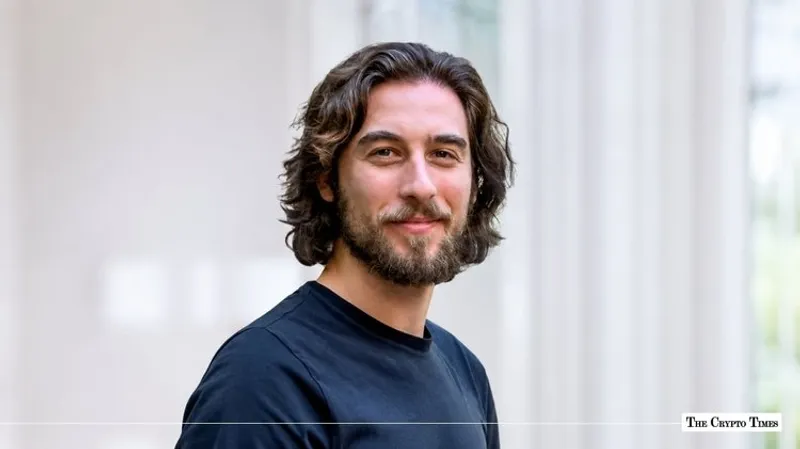
TLDR: OpenZeppelin founder Manuel Aráoz says AI coding agents make smart contract security too lopsided, so he now calls all DeFi unsafe. The warning follows phishing and contract exploits that drained at least $600,000 from users tied to Uniswap, Aave, MakerDAO, and Compound.
Key Takeaways:
- DeFi security has faced repeat pressure from phishing, incentive abuse, and complex integrations across lending, pools, staking, and bridges.
- Manuel Aráoz warned defenders must fix every bug while attackers only need one exploit, citing AI supercharging vulnerability discovery.
- Recent scams and attacks drained at least $600,000, underlining that even major protocols can lose funds faster than defenses can react.

The uncomfortable part is not that hackers got smarter. It is that AI shrinks the time between idea and stolen funds, turning security into a race no one can finish.
The uncomfortable part is not that hackers got smarter. It is that AI shrinks the time between idea and stolen funds, turning security into a race no one can finish.
Q&A
If AI helps attackers find bugs faster, what should DeFi protocols change first, before anything else?
They should prioritize defenses that reduce blast radius, like safer permissioning, tighter spending limits, and faster automated incident controls, since one confirmed bug can still drain funds instantly.
Why does composability, a strength of DeFi, become a liability as exploitation speeds up?
Complex stacks create more edge cases and integration seams, so an AI driven audit can stitch together multiple weaknesses that each component assumes the other will handle.
What happens to bug bounty and formal verification if attackers can iterate exploit attempts at near human speed?
Programs may shift from catching single bugs to enforcing invariant based protections and monitoring, because paying for reports does not stop the next automated exploit chain.
Could user behavior defenses offset AI accelerated phishing more than contract level fixes can?
Yes. Strong wallet protections, domain verification habits, and safer transaction signing flows can blunt credential theft, even if AI continues to accelerate smart contract discovery.
What would it take for Aráoz style warnings to stop repeating across major protocols?
DeFi may need baseline security standards that treat AI assisted probing as normal, including stricter pre deployment controls, mandatory threat modeling for incentives, and quicker, standardized response tooling.
Top in Crypto

Cerebras IPO premium pushes investors toward an AI ETF

OpenZeppelin co founder warns all DeFi unsafe

Tiny x402 payments reveal the wallet approval choke

DDC taps liquidity twice, boosts Bitcoin treasury without dilution

No comments yet. Be the first to share your thoughts!