
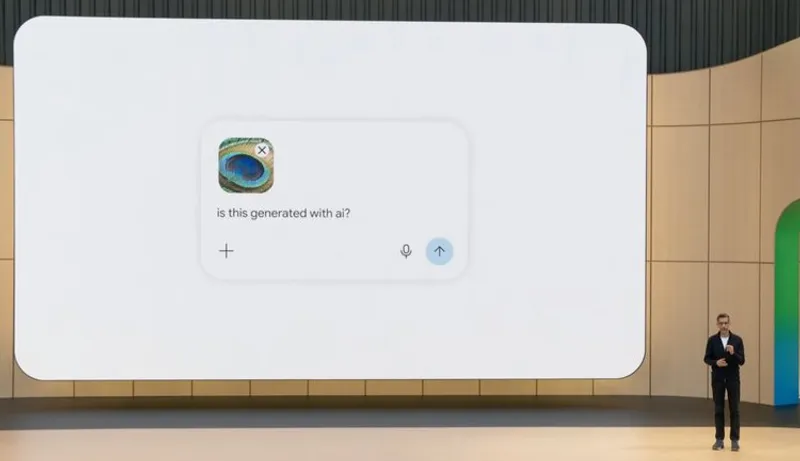
TLDR: ATHENS, Greece—OpenAI rolled out C2PA metadata and Google SynthID watermarking for images from OpenAI products, plus a public verification preview to check both signals. It aims to curb AI image misuse while limiting coverage to OpenAI tools first.
Key Takeaways:
- OpenAI says AI images are now too easy to forge, so it is backing provenance standards that can survive online sharing and scrutiny.
- OpenAI committed to C2PA metadata and partnered with Google on SynthID, then previewed a verification tool that checks both signals for OpenAI products.
- The combo strengthens trust for users willing to verify, but only covers OpenAI generators at first, leaving other tool output outside the safety net.

This is OpenAI choosing guardrails over vibes. The real test will be whether everyday users actually verify before they repost, especially when editing tools try to erase evidence.
This is OpenAI choosing guardrails over vibes. The real test will be whether everyday users actually verify before they repost, especially when editing tools try to erase evidence.
Q&A
If C2PA metadata can be manipulated, what advantage does it still provide compared with watermark only approaches?
Metadata can carry provenance context beyond a simple mark, but it works best with trusted handling. Pairing it with SynthID aims to cover gaps when one layer gets stripped or altered.
Why is OpenAI limiting the verifier first to images from OpenAI products?
It reduces false negatives and missing signals while the system depends on specific, known signals. Expanding coverage requires coordination on standards across competing generators.
What could happen if the verification tool becomes popular but only for certain brands of AI images?
People may get overconfident with one ecosystem and ignore others. That creates a two tier trust landscape where the verified look credible even if the surrounding conversation is not.
How might platforms like social networks use these signals to change moderation or labeling?
They can prioritize checks, apply friction to unverified uploads, or label content that carries known signals. The impact depends on whether platforms can verify at scale fast enough.
Historically, what tends to limit the effectiveness of provenance schemes once adversaries catch on?
Adversaries shift toward formats and workflows that remove signals, plus they target human attention rather than the file itself. Durable standards help, but only if adoption becomes consistent across the ecosystem.





No comments yet. Be the first to share your thoughts!