
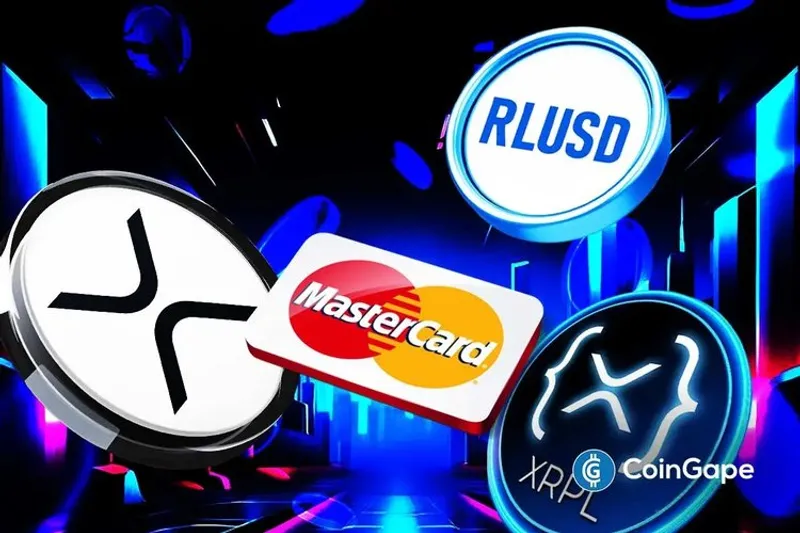
TLDR: Mastercard added Ripple RLUSD to its 24 7 stablecoin settlement network, enabling on chain card settlement across XRPL and more, including weekends.
Key Takeaways:
- Mastercard is expanding stablecoin use for real world settlement timing, after pilots and a broader shift toward on chain payments.
- Mastercard will support 24 7 on chain settlements using RLUSD along with USDC and PYUSD across Arbitrum, Base, Canton, Ethereum, Polygon, Solana, Tempo, and XRPL.
- Ripple SVP Jack McDonald called RLUSD inclusion proof of public blockchain demand, with first availability in the United States and Latin America.

This is the boring part of crypto that actually matters: getting paid, reliably, on weekends. If stablecoins can smooth settlement windows like a utility, XRPL becomes less like a side road and more like a lane.
This is the boring part of crypto that actually matters: getting paid, reliably, on weekends. If stablecoins can smooth settlement windows like a utility, XRPL becomes less like a side road and more like a lane.
Q&A
If 24 7 settlement reduces weekend downtime, what operational bottleneck shifts from banks to issuers and acquirers?
Reconciliation and liquidity management. When funds move on chain at any hour, teams must align payment, accounting, and risk workflows to match intraday settlement behavior.
Why does adding RLUSD to Mastercard matter more than adding another stablecoin brand?
Because Mastercard is treating regulated stablecoins as settlement infrastructure, not just a token for trading. RLUSD also signals demand for public chain throughput where XRP Ledger already supports payment rails.
What happens next for XRPL if early partners like ARQ and Nuvei scale usage quickly?
Higher transaction volume and tighter integration. Mastercard support across multiple chains can push issuers to choose networks based on cost, liquidity, and settlement speed, which may concentrate usage where XRPL performs well.
How does the move connect to Ripple and Mastercard pilots involving tokenized treasuries?
It reinforces the same thesis: tokenized financial instruments and stablecoin settlement should operate in real time across borders. That pilot frames stablecoins as the glue for broader tokenized finance flows.
Could competing stablecoin issuers respond by improving liquidity tools or pricing to win Mastercard settlement routing?
Yes. If issuers can route settlements across supported assets and chains, stablecoin providers will likely compete on spreads, liquidity depth, and operational partnerships to stay the default choice.
Top in Crypto

Mt. Gox transfer fuels BTC panic toward $60,000
SBI chair Kitao bets on CLARITY Act amid crypto turbulence

Grok AI Turns LINK Forecast Bullish Amid Market Stress

Winklevoss Twins Shift $67M Bitcoin Toward Gemini Hot Wallet

No comments yet. Be the first to share your thoughts!