
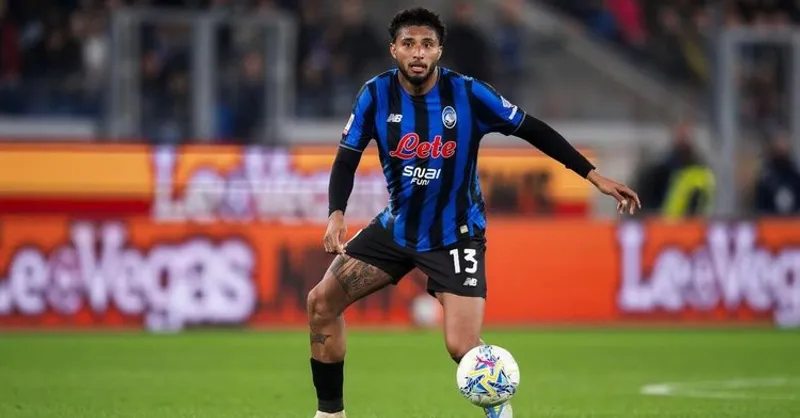
TLDR: MANCHESTER—Manchester United are close to agreeing a roughly £38 million deal for Atalanta midfielder Ederson, Carrick’s first signing. Personal terms are reportedly done, and a deal could close by week end, reshaping United’s midfield plan.
Key Takeaways:
- Carrick has taken over permanently, and Manchester United need midfield reinforcement after Casemiro left.
- Ederson is reported to have agreed personal terms with United, with an offer near £38 million including add ons, possibly by week end.
- Atalanta benched Ederson for their Serie A finale tied to his move, signaling a fast exit and immediate impact for United.

United do not just want a name, they want a functional engine. Ederson fits the urgency perfectly, because Carrick’s first decisions set the tone for every midfield debate after kickoff.
United do not just want a name, they want a functional engine. Ederson fits the urgency perfectly, because Carrick’s first decisions set the tone for every midfield debate after kickoff.
Q&A
What does Ederson’s arrival likely change in Manchester United’s midfield balance right away?
It could shift United toward more ball carrying and progression from deeper roles, especially after Casemiro’s departure and the need for steadier midfield control.
If the deal closes by week end, how quickly can United integrate Ederson into tactics before the next competitive stretch?
Integration often accelerates when personal terms and paperwork are already done, but tactical chemistry still depends on early training reps and role clarity under Carrick.
Why would Atalanta bench Ederson for the Serie A finale instead of playing him for one last match?
Clubs often protect transfer timing, reduce injury risk, and avoid distractions, particularly when a move to a “must get” buyer like Manchester United is imminent.
How might United’s reported interest in midfielders like Tonali, Baleba, and Fernandes affect the urgency of signing Ederson?
Those links suggest United have backup targets; locking Ederson quickly would narrow alternatives and prevent a scramble if negotiations stall.
What historical pattern does this transfer pace resemble for big clubs during managerial transitions?
New permanent managers often target a specific profile early, using transfers to stamp identity fast, then refine the system once the first core piece arrives.
Top in Soccer

Barcelona press ahead of Bayern for Newcastle winger Gordon

Nuno stays at West Ham as relegation pressure rises

Barcelona join race to sign Gordon as talks begin

West Ham keeps Nuno as relegation fallout escalates

No comments yet. Be the first to share your thoughts!