
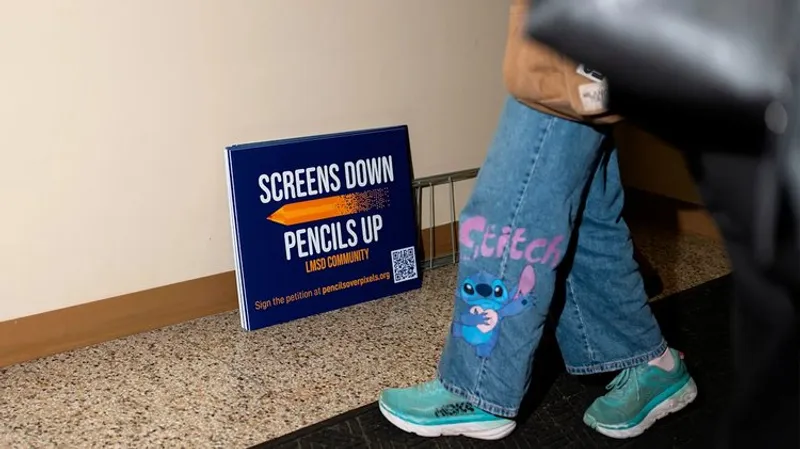
TLDR: LOWER MERION TOWNSHIP, Pa.—Lower Merion parents asked to preserve opt outs from devices, but the school board said technology will stay. The fight mirrors nationwide screen time and edtech backlash, fueled by ADHD struggles, addiction concerns, and stricter filters.
Key Takeaways:
- In Lower Merion Township, students move from iPads in kindergarten to Chromebooks in second grade and MacBooks in eighth, with some parents demanding opt out rights.
- More than 600 residents signed a petition and protesters wore “Screens Down, Pencils Up,” while board member Anna Shurak said opt outs are not feasible.
- District leaders are considering tighter limits and monitoring software, but students fear overblocking research and adults worry that surveillance could harm privacy.

This is what happens when homework becomes an app and concentration becomes a settings problem. Schools are trying to keep tech as part of the curriculum while families demand it stop stealing the classroom and, for some kids, the ability to focus.
This is what happens when homework becomes an app and concentration becomes a settings problem. Schools are trying to keep tech as part of the curriculum while families demand it stop stealing the classroom and, for some kids, the ability to focus.
Q&A
If opt outs disappear, what accountability model can replace them so families still get real choices?
Districts can publish clear device learning goals per grade, offer approved non digital alternatives for assignments, and report outcomes like grades, attention time, and reading levels for both device and non device pathways.
Why can strict filters backfire even when parents want fewer distractions?
Filters built to block harmful or irrelevant content can also block legitimate research topics, pushing students toward less accurate sources or turning discovery into a guessing game.
What changes would actually help students with ADHD or other attention challenges?
Device use schedules that separate teaching from entertainment, teacher guided focus breaks, and built in focus modes matter more than blanket bans, especially when learning requires writing or submissions online.
How does edtech incentive design complicate the screen time debate?
When programs reward speed with points, students may sacrifice method and thinking quality, so parents end up fighting both screen time and pedagogy at the same time.
As AI tools like ChatGPT spread, what policy gap becomes most urgent?
Schools will need practical rules for transparency, citation, and what counts as independent work, because banning devices alone does not prevent AI assisted shortcuts.





No comments yet. Be the first to share your thoughts!