
 AI
AI Nomura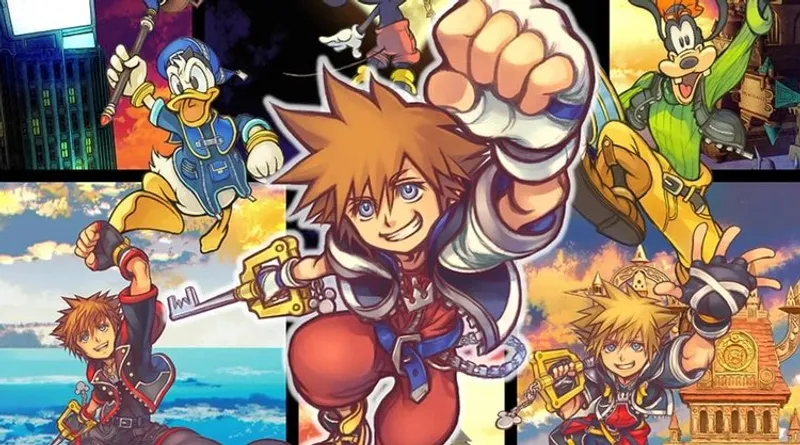
TLDR: LONDON—Fans noticed odd hand and costume details on the Switch 2 Kingdom Hearts Collection box art, sparking AI claims. Artist DekuDraws says Nomura created the illustration and AI likely only upscaled and separated assets later.
Key Takeaways:
- Fans scrutinized the Kingdom Hearts Collection I through III Switch 2 box art after uncanny artifacts stood out around Donald and Sora.
- DekuDraws argued Donald’s hidden hand and other quirks fit a Nomura style pipeline, with AI used to separate characters and apply drawn rendering.
- The controversy tracks Square Enix CEO pushes for genAI even as the company cuts North American publishing roles.

It is the classic internet moment where one weird finger becomes a full audit, and a trained eye brings the first real answer. If AI only entered during upscaling, the real story is less slop and more how studios make “different versions” fast.
It is the classic internet moment where one weird finger becomes a full audit, and a trained eye brings the first real answer. If AI only entered during upscaling, the real story is less slop and more how studios make “different versions” fast.
Q&A
If Square Enix only used AI for upscaling and compositing, why did the artifacts look so “genAI” in the first place?
Upscalers and style filters can distort fine linework, especially around hands, seams, and small mechanical details, turning minor inconsistencies into obvious tells.
What would an evidence grade look like to separate “AI drawing” from “AI processing” on game key art?
A clean digital paper trail helps, like original PSD or layer exports plus timestamps showing manual illustration first, then later automated upscales or render to cel style.
Why might a publisher upscale for box art even when the base illustration already exists?
Different markets and store requirements often demand specific resolutions, aspect ratios, and compression profiles, and AI upscaling can shortcut rework across many SKU formats.
How does this debate compare to past genAI accusations in games where art looked “too consistent” or “too wrong”?
Earlier cases often showed broad anatomy or texture errors across the whole image. Here, the theory focuses on selective processing that targets discrete assets and rendering passes.
If consumers start demanding proof, what could change inside big publishers’ art pipelines?
More studios may shift toward keeping auditable source files, publishing tool disclosures, and building approvals around deterministic processes rather than opaque generation steps.





No comments yet. Be the first to share your thoughts!