
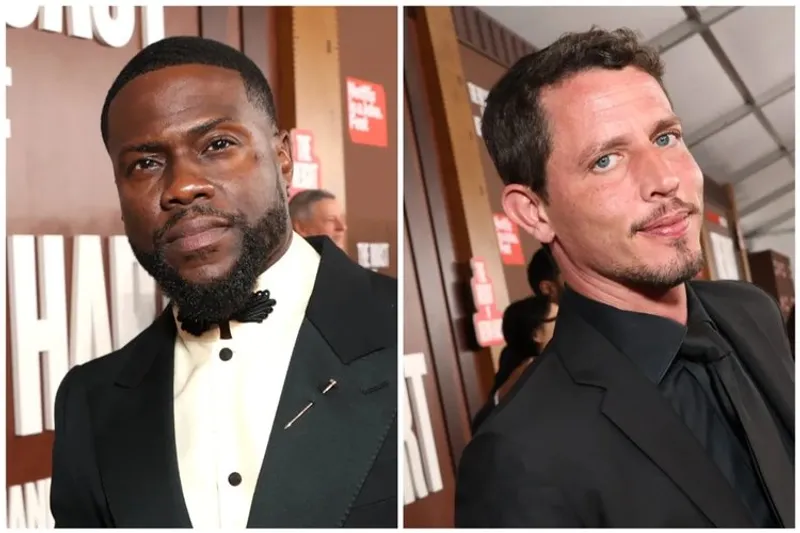
TLDR: Kevin Hart defended Tony Hinchcliffe’s controversial Netflix roast set after backlash over a George Floyd joke, saying roasts always push racial humor. He also said he does not expect less or more, and asked to be kept out of the discourse.
Key Takeaways:
- Roasts on major streamers rely on shock humor, a tradition Hart compared to other high profile roasts like Tom Brady.
- Hart praised Hinchcliffe as having arguably the best set despite backlash, citing his own recognition of Hinchcliffe’s and the show’s comedy style.
- The pushback from critics and figures like Chelsea Handler keeps the debate alive, even as Hart tries to separate himself from it.

Hart is drawing a line between knowing how roasts work and pretending they are harmless. The punchline is not whether it landed, it is how long people keep replaying it.
Hart is drawing a line between knowing how roasts work and pretending they are harmless. The punchline is not whether it landed, it is how long people keep replaying it.
Q&A
If Hart keeps framing roasts as inevitable shock comedy, how will Netflix and comedians handle future backlash without changing the format?
Expect more preflight messaging around standards and boundaries, plus tighter packaging in marketing and post show segments, while the live set structure stays roast first and context second.
Why do roasts keep resurfacing the same moral arguments even when talent and networks claim it is satire?
Because satire often borrows real world trauma as material, audiences do not agree on who gets to laugh, and algorithms amplify the specific line rather than the full set.
What does Hart gain by saying Hinchcliffe had the best set, even if Hart would not personally tell the joke?
He protects comedic credibility with viewers who track craft, while also signaling that intent matters less than recognition of style and audience expectations.
Could the backlash shift from the performers to the platforms if viewers feel they are being sold harm as entertainment?
Yes, sustained criticism can pressure platforms toward stronger internal review processes and clearer viewer warnings, even if those changes are subtle.
What happens to the careers of comedians known for aggressive roast humor after one high visibility controversy?
They often remain in demand for similar projects, but may face higher scrutiny from mainstream bookings, brand partnerships, and talk show appearances where the stakes are reputational.



No comments yet. Be the first to share your thoughts!