
 AI
AI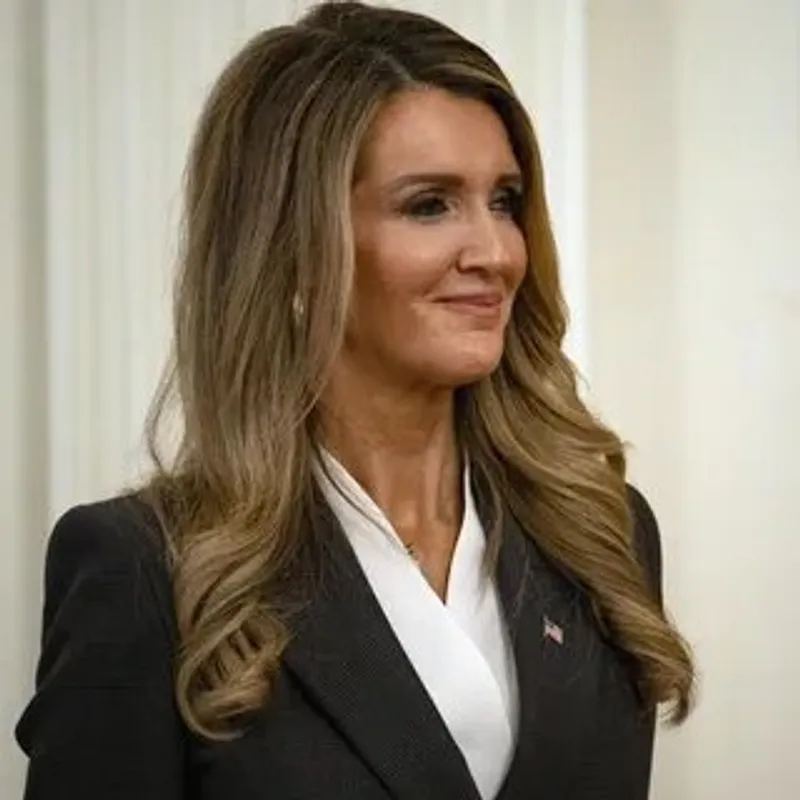
TLDR: WASHINGTON—SBA Administrator Kelly Loeffler told Axios AM Live in Washington, D.C. that AI will fuel Main Street growth and jobs as compute power rises. She tied the upside to faster SBA support and warned China winning the AI arms race and proposed SBA funding cuts could hit small businesses hardest.
Key Takeaways:
- Context: Small businesses employ nearly half the U.S. workforce, yet optimism sits below long term averages amid profitability strain and inflation pressure.
- Main fact: Loeffler predicted AI will be a leveler for small firms, and said SBA is shifting to technology and customer driven service.
- Implication: If SBA funding cuts return and China leads AI, small lenders and technical support could weaken, making growth harder on Main Street.

Loeffler is selling AI as the rare policy win that can sound hopeful and competitive at once. The catch is simple: if funding dries up, small businesses get the promise without the support.
Loeffler is selling AI as the rare policy win that can sound hopeful and competitive at once. The catch is simple: if funding dries up, small businesses get the promise without the support.
Q&A
If AI helps small businesses, which parts of SBA service should feel the change first?
Expect early upgrades to SBA support that reduce time to funding and improve matching for technical guidance, because Loeffler framed the shift as technology and customer driven.
Why does SBA funding matter as much as the AI narrative itself?
Even if AI creates opportunity, SBA budgets can determine whether small firms get lending help, technical resources, and faster pathways to assistance when they need it most.
What does Loeffler mean by onshoring, and how could that alter AI benefits for local businesses?
Onshoring can shorten supply and hiring pipelines, which makes it easier for small firms to adopt AI tools tied to production, logistics, and customer service rather than waiting on long imports.
What would a China led AI lead look like for Main Street businesses specifically?
Loeffler suggested it could disrupt competitiveness and stability, which could translate into cost pressure, fewer domestic incentives, and slower adoption benefits for smaller operators.
How might small business optimism respond if the SBA moves faster on deregulation and access to capital?
If reduced friction pairs with clearer capital routes, owners may plan hires and expansions sooner, which could counter some of the sentiment drop tied to inflation and weak profitability.
Top in AI

Anthropic opens Mythos model, but guards cybersecurity access

Hyatt’s sales AI buys time, boosts group bookings

Europe wants sovereign AI, but chip control bites

iOS 27 pressures Apple Passwords to fix breaches automatically

No comments yet. Be the first to share your thoughts!