
 Trump
Trump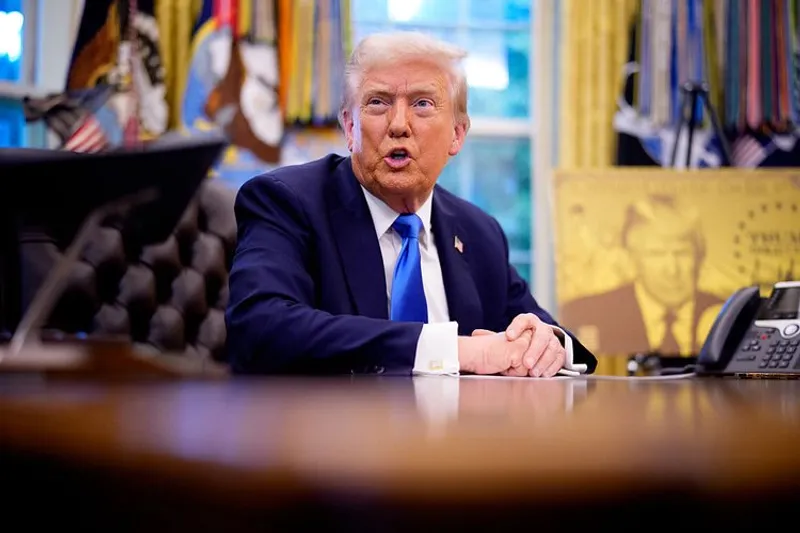
TLDR: BOSTON—Judge Leo Sorokin vacated Trump’s $100,000 H-1B fee in Boston, calling it an unauthorized tax. The administration will appeal, and states sued.
Key Takeaways:
- States including New York challenged a Trump proclamation that lifted H-1B costs far above prior $2,000 to $5,000 ranges.
- Sorokin ruled the $100,000 payment violates the Administrative Procedure Act and the Constitution, treating it as a tax Congress did not authorize.
- H-1B users in specialty occupations could see fewer hurdles, while the administration’s appeal sets up another fight over executive power.

The court just drew a bright line under executive fee hikes. For employers and foreign workers, this is a pause button that could decide who can hire and who gets priced out.
The court just drew a bright line under executive fee hikes. For employers and foreign workers, this is a pause button that could decide who can hire and who gets priced out.
Q&A
If the administration appeals, what standard will higher courts likely apply to decide whether the fee is a permissible immigration restriction or an unauthorized tax?
Courts will likely focus on legal authority and classification. They will examine whether the proclamation fits immigration entry powers or instead functions as a revenue measure requiring explicit congressional authorization.
Why did the judge’s tax finding matter more than the policy’s stated purpose about misuse and labor replacement?
Even if the goal is limiting alleged abuse, courts still require the executive branch to have the specific power Congress delegated. The ruling centered on lack of delegated authority, not just intent.
What happens to employers that had planned staffing and budgets around the higher fee before payments were made?
They may revisit hiring timelines and cost projections. The vacatur can reduce uncertainty, but appeal outcomes mean companies may still plan conservatively.
Could other immigration or visa related fees face similar challenges if they are structured to operate like revenue rather than regulation?
Yes. The decision signals that labeling something a fee will not protect it if its substance and operation look like a tax without congressional permission.
How does this ruling fit into a larger pattern of courts limiting the executive when agency actions resemble broad economic controls?
The judge cited the Supreme Court’s approach in the reciprocal tariff case, emphasizing that when executive actions look like taxes, courts will demand clear constitutional and statutory grounding.




No comments yet. Be the first to share your thoughts!