
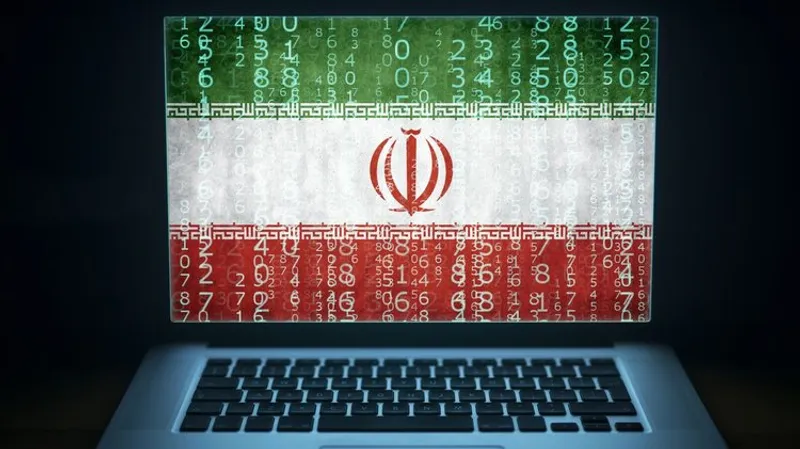
TLDR: LONDON—Iran’s partial internet restoration began after an 88 day near complete shutdown, but traffic remains below 50%, slowing normal access. VPN use spikes as censorship likely continues.
Key Takeaways:
- Iran enforced a near complete internet shutdown on February 28 during conflict with the United States and Israel, lasting 88 days.
- Traffic topped out around 41% of normal levels, while fixed and mobile connections show partial recovery on services like Cloudflare Radar.
- Experts warn the disruption and possible state whitelisting will keep many tools unstable, including VPN and other circumvention methods.

Getting the connection back is not the same as getting your life back. In Iran, the internet is waking up in short, shaky bursts, not in a full return.
Getting the connection back is not the same as getting your life back. In Iran, the internet is waking up in short, shaky bursts, not in a full return.
Q&A
Why does partial recovery still feel like a shutdown to many users?
When only some routes and networks reopen, latency and packet loss remain high, so apps load inconsistently even if connectivity exists.
What does the under 50% traffic level suggest about Iran’s control strategy?
It points to deliberate throttling and selective access, not a broad reset, which helps authorities manage which services work.
How could whitelisting change VPN behavior inside Iran?
If only state approved sites route reliably, VPN tunnels can fail or be blocked, making circumvention less dependable and harder to scale.
Why would government officials and loyal businesses regain access earlier than ordinary users?
Selective connectivity can prioritize essential or trusted sectors, leaving the rest of the country to face instability longer.
What happens next if traffic recovery continues but tools fail unpredictably?
Users may shift from VPN experiments to alternative access methods, but officials may also tighten filtering based on observed behavior.





No comments yet. Be the first to share your thoughts!