
iOS 27 Spatial Reframing turns edits into captured angles
 AI
AI iOS
iOS Apple
Apple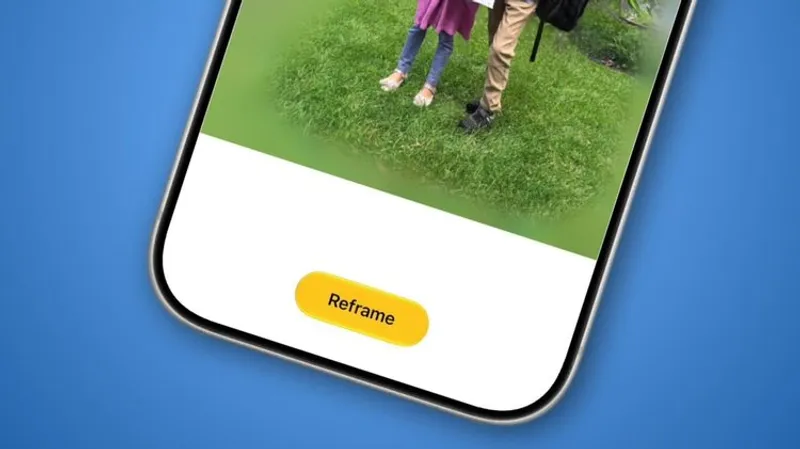
TLDR: LONDON—iOS 27 Spatial Reframing in the Photos app uses Apple Intelligence to drag a photo’s framing after capture, with generative infill. It could cut multi shot habits and save storage, but critics warn it can fabricate angles that never happened.
Key Takeaways:
- Spatial Reframing arrives in iOS 27 as Apple leans into AI photo edits that blur how real a moment looks.
- In Photos, tap Edit, then Tools, then Reframe. After analysis, drag to change framing and perspective, with generative infill plus zoom.
- Supporters see fewer duplicate shots and less iCloud clutter. Critics call the results “fake” angles that never existed, even with Apple’s craft first messaging.

Apple is pitching a photographer’s undo button, and for storage minded snappers that is hard to ignore. The tension is simple: editing toward perfection can drift from fixing to inventing, fast.
Apple is pitching a photographer’s undo button, and for storage minded snappers that is hard to ignore. The tension is simple: editing toward perfection can drift from fixing to inventing, fast.
Q&A
If Spatial Reframing can adjust perspective after capture, how might that change what people consider a reliable “behind the scenes” photo?
It could make certain candid or documentary style images feel less trustworthy, because viewers may not know whether angle details were generated after the fact.
What happens to storage when AI edits keep original data but store new versions, and how will Apple handle version growth?
If iOS saves edit variants alongside originals, storage gains could shrink. The practical benefit depends on how Apple compresses, deduplicates, or trims old revision data.
Why might Apple still label it “enhance” while critics call it fabrication?
Apple’s framing suggests continuity with plausible composition fixes, while critics focus on the fact that the viewpoint change recreates a moment the camera never saw.
Could this feature reduce the need for multi angle bursts, and what tradeoff could replace burst shooting habits?
Users might shoot less, but they may still rely on bursts when the subject moves quickly or when infill can’t plausibly reconstruct missing structure.
What precedent exists in phone photography where computational edits changed the meaning of the final image?
Earlier computational features like portrait blur and sky replacement similarly reshaped expectations of “what the camera captured,” and now Spatial Reframing pushes that boundary from enhancement into composition.





No comments yet. Be the first to share your thoughts!