
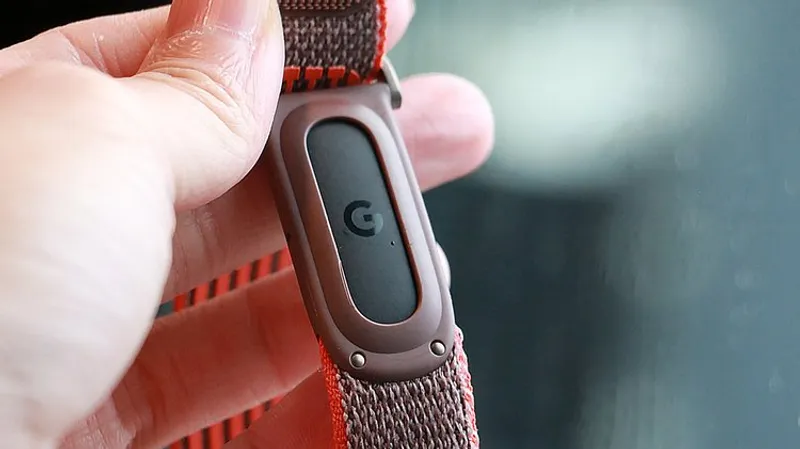
TLDR: Google released Fitbit Air measurements and 2D CAD drawings to help makers design accessories that fit and keep heart rate and SpO2 contact steady. The $100 screenless tracker now invites 3D printed bands and armbands.
Key Takeaways:
- Fitbit Air launched for $100 as a screenless health and fitness tracker that works through the Google Health app and Gemini Coach.
- Google shared exact dimensions plus mating tolerances and skin contact guidance for heart rate and SpO2 sensors, including material limits for allergies.
- Third party customization could accelerate after market accessory growth, while tighter specs also raise the bar for compatibility and safe materials.
- The release includes restricted substances rules such as lead free copper and brass alloys and natural latex without allergenic proteins.

Google is basically handing the maker crowd a tape measure and insisting it behave like engineering class. If accessory makers get the skin contact right, the Fitbit Air ecosystem could get loud fast.
Google is basically handing the maker crowd a tape measure and insisting it behave like engineering class. If accessory makers get the skin contact right, the Fitbit Air ecosystem could get loud fast.
Q&A
What could break first if DIY accessories do not preserve consistent skin contact?
Sensor readings. The tracker depends on steady contact for heart rate and SpO2, so misfit bands can turn “health data” into “guesswork.”
Why publish tolerances and mating force instead of only the outer dimensions?
Because a wearable attachment is not just shape. Fit strength, flex, and alignment affect both comfort and how reliably the device stays positioned.
How might Google use this blueprint release to reduce customer friction later?
By setting expectations up front. Makers can design for compliance, helping reduce support tickets tied to poor readings or irritation claims.
Could this approach shift the wearable market from brand accessories to maker ecosystems?
Yes. If CAD and specs invite third party and community builds, users may shop by design and comfort first, not by who made the original band.
What happens to compatibility when Fitbit Air gets hardware or firmware updates?
Accessories built to current mating tolerances may need updates. Even small changes can affect fit, placement, and sensor behavior, so the maker pipeline will have to adapt.




No comments yet. Be the first to share your thoughts!