
Gemini Live Translate pushes Google Meet toward real time
 Google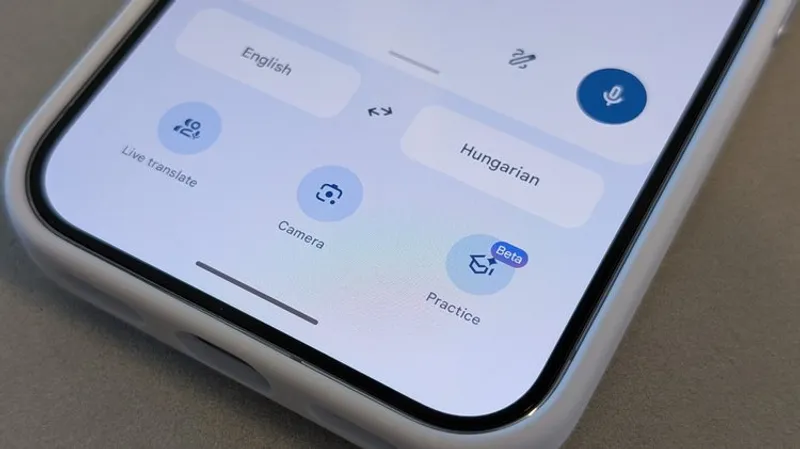
TLDR: Google announced Gemini 3.5 Live Translate, a live audio speech to speech translation model. It powers speech translation in Google Meet later this year and rolls out globally to Google Translate on Android and iOS.
Key Takeaways:
- Google is upgrading its language tools with a new live audio translation model built for speech to speech conversation.
- Gemini 3.5 Live Translate will arrive in Google Meet later this year and expand globally to the Google Translate app on Android and iOS.
- If the rollout hits as promised, meetings and everyday chats may shift from delayed subtitles to near real time cross language talk.

This is the kind of upgrade that feels small until you try it. One fewer translation delay can turn awkward pauses into actual dialogue, not just “we’ll understand later.”
This is the kind of upgrade that feels small until you try it. One fewer translation delay can turn awkward pauses into actual dialogue, not just “we’ll understand later.”
Q&A
How might Gemini 3.5 Live Translate change meeting norms once translation latency drops?
People may stop speaking in short, subtitle friendly bursts and start using more natural conversational pacing, since the feedback loop feels faster.
What matters more for trust in live translation: accuracy or speaker consistency?
Accuracy helps, but consistent speaker attribution and stable phrasing across turns often determines whether users feel the translation is reliable enough to make decisions.
Why roll out to both Google Meet and Google Translate first instead of only one product?
Meet tests translation inside high pressure, multi speaker audio, while Translate reaches broader everyday use. Together, Google gets faster feedback loops on the same underlying model.
What could limit the “seamless conversation” goal in real world environments?
Noise, overlapping speakers, strong accents, and network jitter can all degrade audio quality, which then impacts how well a live model can translate in step.
If live translation becomes standard, which skills might people lean on less?
Users may rely less on pre planned bilingual scripts and fewer manual workarounds like copying text, shifting effort toward clarifying intent rather than translating word by word.





No comments yet. Be the first to share your thoughts!