
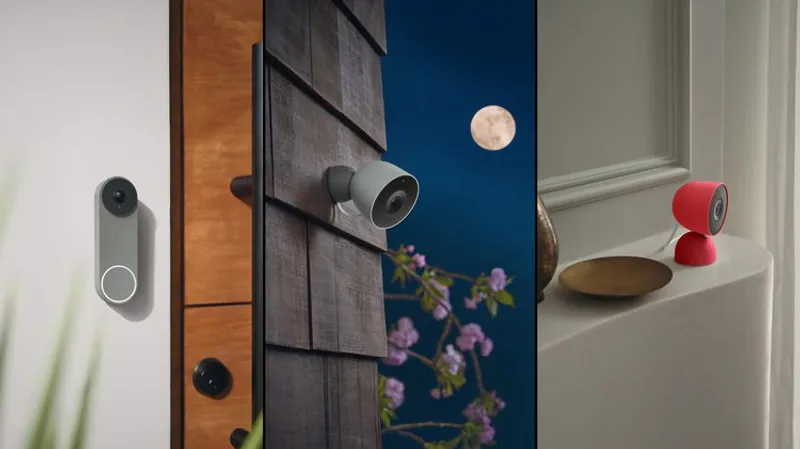
TLDR: LONDON—Google is updating Gemini for Home so AI camera events like package drops and glass breaking can trigger smart home routines. It also boosts reliability and refreshes the Google Home app, rolling out to users across 19 countries and languages.
Key Takeaways:
- Gemini for Home replaced Google Assistant on Google smart home cameras, speakers, doorbells, and displays.
- The update lets users write natural language prompts to create routines triggered by specific camera events.
- Google aims to make every camera view actionable, while improved multitask handling and fewer false denials raise trust.

Google is turning cameras into the home thermostat for attention. The quiet flex here is that the AI no longer just reacts to commands, it reacts to what it sees.
Google is turning cameras into the home thermostat for attention. The quiet flex here is that the AI no longer just reacts to commands, it reacts to what it sees.
Q&A
What would make camera triggered routines more reliable in real homes?
Better event labeling, less sensitivity to lighting and weather changes, and clearer fallback behavior when a camera cannot confidently interpret an event.
Why does Google emphasize natural language prompts instead of only preset automation rules?
Natural language lowers setup friction, which increases usage and data, and makes third party device compatibility easier to scale than rigid templates.
How could these automations change homeowner expectations for safety alerts?
Users may demand that alarms and timers tie directly to visual confirmation, shifting trust from audio alerts and notifications toward AI verified triggers.
What happens if Gemini misreads a camera event and fires the wrong routine?
Google is improving reliability, but smart homes will likely rely on user controls like camera selection, confirmation steps, and routine overrides to reduce harm.
Why is the delayed Google Home Speaker update a bigger story than it sounds?
If the speaker stays unavailable to order, the camera automation upgrades may roll out into a fragmented ecosystem, slowing the full shift away from older assistant experiences.
Top in Big Tech

Google engineer charged over insider edge on Polymarket wins

Threads tests @meta.ai replies, borrowing Grok style visibility

Amazon Now pushes 30 minute delivery into more US cities

DuckDuckGo gains as Google AI pressure drives users away

No comments yet. Be the first to share your thoughts!