
 Bank of England
 AI
AI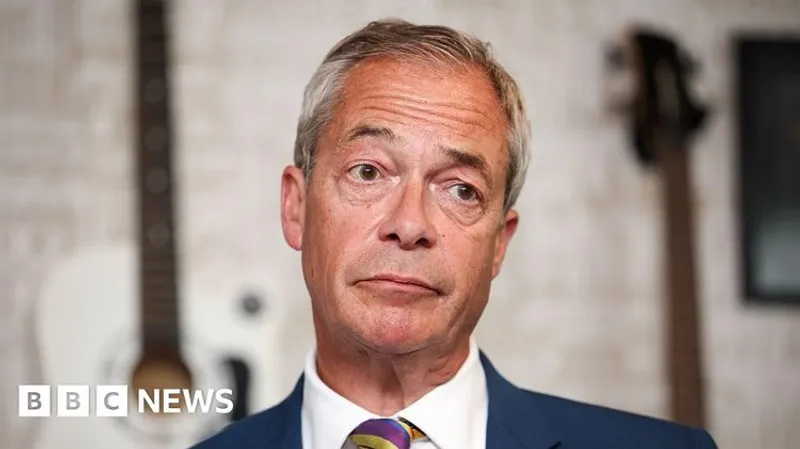
TLDR: ST. HELENS, England—Nigel Farage says Reform UK contacted X on Monday to remove fake AI adverts impersonating Andrew Bailey and him, quickly.
Key Takeaways:
- Reform leader Nigel Farage and Bank of England governor Andrew Bailey now face impersonation scams fueled by realistic AI video ads.
- Farage says Reform UK contacted X “to the highest level” on Monday after repeated fake BBC Question Time style adverts appeared in UK feeds.
- The Bank of England warns these posts exploit people online, especially vulnerable users, and urges reporting and not clicking or investing.

This is the new low effort fraud playbook: make the clip look official, bait a click, and let the algorithm do the targeting. X is being asked to move fast before the next wave spreads beyond views.
This is the new low effort fraud playbook: make the clip look official, bait a click, and let the algorithm do the targeting. X is being asked to move fast before the next wave spreads beyond views.
Q&A
What would “fast removal” look like for X, given that blue tick accounts often seeded the ads?
It likely means rapid takedowns, link blocking, and stronger verification of synthetic media so reposting channels and click targets cannot keep reappearing.
Why does this scam shape matter as much as the content itself?
The fake play button and “What’s happened?” captions mimic familiar video behavior, lowering user skepticism and increasing click through to scam sites.
What happens if X treats this as a content moderation issue instead of a fraud infrastructure problem?
Fraud links and redirection sites can keep cycling even after individual videos are removed, pushing users toward the same investment traps under fresh posts.
How does the Bank of England’s warning change user behavior on the platform?
Clear instructions to avoid clicking and report posts give users an action that can interrupt the scam loop, rather than only recognizing it after the damage.
Could the political angle make this worse for trust in real public figures?
Yes, repeated impersonation trains audiences to doubt authentic clips and can create noisy confusion that scammers exploit during major news moments.
Top in AI

YouTube Terms of Service Allow AI Music Training, Google Says

Art Directors Guild challenges Scorsese over FLUX storyboarding AI

Art Directors Guild attacks Scorsese AI partnership

Anthropic rolls out Claude Fable 5, throttling Mythos queries

No comments yet. Be the first to share your thoughts!