
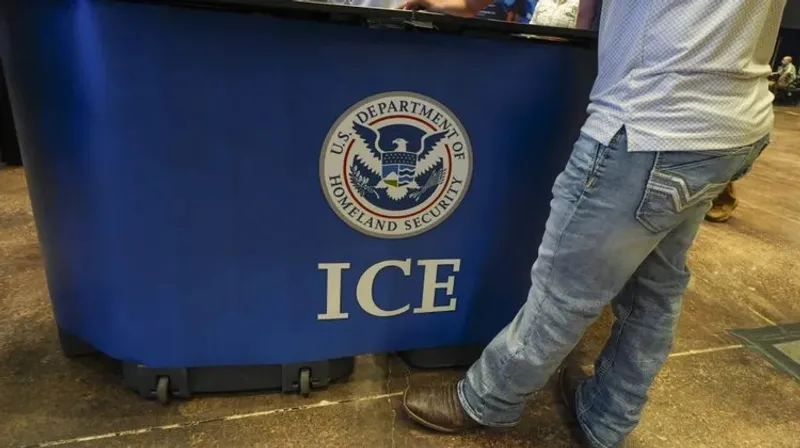
TLDR: WASHINGTON—The Department of Homeland Security told ICE to develop new policies targeting attorneys accused of helping file fraudulent asylum claims, tightening Trump era asylum enforcement. Lawyers involved in those cases face heightened scrutiny and enforcement action, affecting asylum seekers and immigration court proceedings.
Key Takeaways:
- DHS and ICE are escalating how they police asylum filings, targeting fraud risk inside the asylum pipeline.
- DHS directed ICE to craft new policies aimed at immigration attorneys accused of aiding false asylum claims.
- The crackdown could reshape attorney practices, increase denials or referrals, and intensify due process fights in immigration court.
- Attorneys accused of filing false claims could face immigration enforcement consequences beyond typical disciplinary pathways.

When enforcement tightens at the attorney level, asylum cases get faster and riskier for everyone. Even lawyers trying to do everything right will feel the chill, because skepticism can travel faster than evidence.
When enforcement tightens at the attorney level, asylum cases get faster and riskier for everyone. Even lawyers trying to do everything right will feel the chill, because skepticism can travel faster than evidence.
Q&A
What enforcement tools can ICE add that actually change outcomes for asylum cases?
Look for more referrals for fraud investigations, increased evidence requests, and stricter coordination between ICE and immigration courts tied to attorney involvement.
How could this directive change what asylum lawyers advise clients before filing?
Attorneys are likely to demand stronger documentation, build more detailed timelines, and scrutinize witness and country conditions evidence earlier to reduce fraud exposure.
Why target attorneys instead of only focusing on the asylum applicants?
Officials often view legal filings as the bottleneck for fraud and want leverage at the point where claims are prepared, signed, and submitted, even when applicants drive the narrative.
Could the policy lead to more legal challenges on due process grounds?
Yes. Expanding attorney related enforcement can trigger arguments about notice, standards for intent, and whether collateral consequences unfairly punish lawful advocacy.
What happens next if ICE draft policies meet resistance from courts or bar associations?
You may see revisions, narrower targeting thresholds, or parallel disputes in federal court that slow rollout while judges weigh the balance between fraud prevention and legal representation rights.




No comments yet. Be the first to share your thoughts!