
Deep Fission returns to public markets under going concern pressure
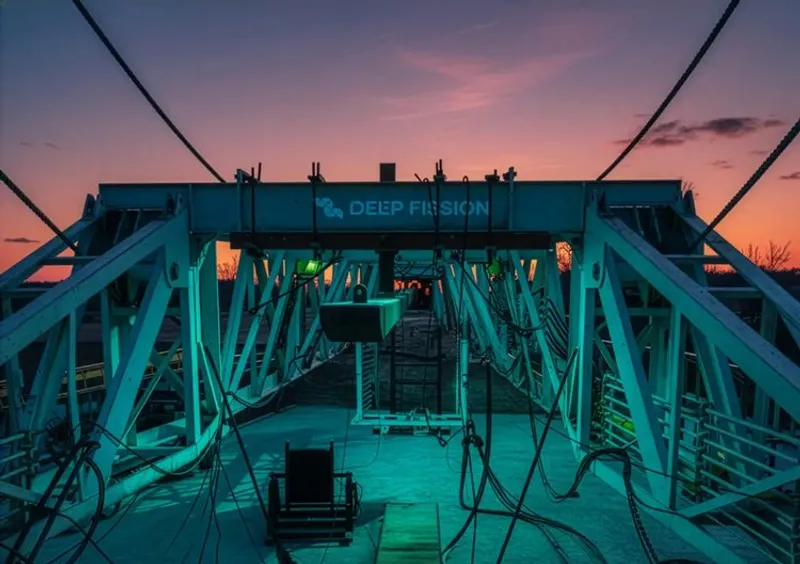
TLDR: ATHENS, Greece—Deep Fission says it will raise $157 million in a Nasdaq IPO at $24 to $26 per share after a prior reverse merger that left no trading, while SEC filings warn it may run out of money within 12 months and its reactor timeline slips. AI data center power ambitions now hinge on investor appetite.
Key Takeaways:
- Deep Fission pursued a reverse merger with Surfside Acquisition last September, intending a lighter OTCQB listing but ending up with a public shell that never traded.
- The new filing targets a Nasdaq listing and up to $1.66 billion valuation, but the company reports a growing deficit to $88.1 million and a fresh drilling focus with no reactor timeline estimate.
- The going concern warning remains, cash fell 7 percent in recent months, and scaling from an 8 inch test well to 30 to 50 inch, mile deep boreholes will decide whether hype can outrun physics.

When a startup says it is going public twice, you start reading the fine print for the parts that never traded. Deep Fission is betting that investor momentum for fission power can outrun delayed drilling, tighter cash, and the SECs own alarm bell.
When a startup says it is going public twice, you start reading the fine print for the parts that never traded. Deep Fission is betting that investor momentum for fission power can outrun delayed drilling, tighter cash, and the SECs own alarm bell.
Q&A
What does it mean if Deep Fission never traded after a reverse merger?
It suggests investors may have lacked liquidity and price discovery, turning the original listing into a compliance exercise. That history can also raise skepticism about governance timing and how the company planned to attract capital.
If the company cannot estimate a criticality date, what investor signals could replace it?
Investors may lean on measurable drilling outputs such as test well depth performance, bore stability data, and component fabrication progress. Without regulator aligned milestones, those technical proxies become the only evidence of traction.
Why would an IPO price window widen risk for a pre revenue nuclear developer?
A tighter float and higher valuation can require fast sentiment shifts to sustain post IPO trading. If technical setbacks continue, the market may reprice quickly, leaving less runway despite the offering size.
What could the $80 million equity investment from backers change, if going concern remains?
It may buy time rather than de risk the core engineering and regulatory timeline. In practice, the IPO could become the backers preferred exit path if private funding alone cannot carry the next capital intensive phases.
How does X Energy’s progress contrast reshape what counts as credible momentum?
X Energy is generating revenue and is farther through NRC licensing, which the market often treats as risk reduction. Deep Fission may need similar regulatory clarity or revenue like milestones to justify a valuation that outpaces technical and licensing visibility.





No comments yet. Be the first to share your thoughts!