
China’s AI police cameras push biometric scrutiny in detention
 AI
AI Chinese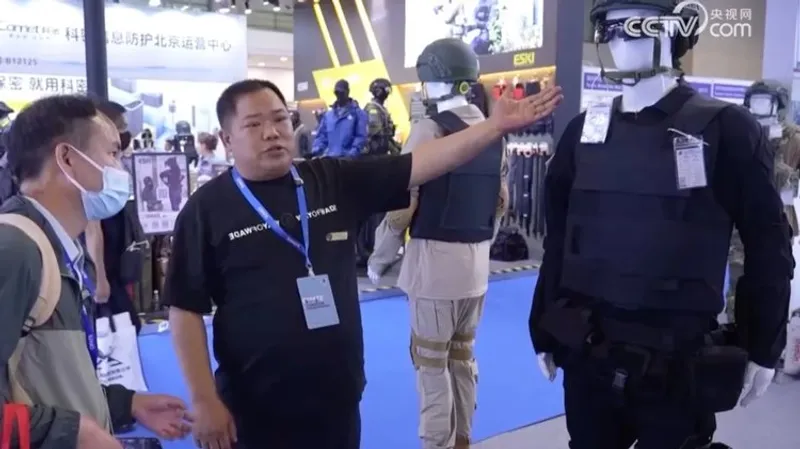
TLDR: BEIJING—Beijing expo demos showed Tiandy AI cameras measuring vital signs and alerting to risks for up to six suspects at once.
Key Takeaways:
- Chinese police tech firms pitched AI biometric systems to cut staffing amid frontline officer shortages.
- Tiandy said its cameras can assess heart rate, blood pressure, blood oxygen and blood flow in about 10 seconds for six people.
- Live risk scoring and protocol alerts could reshape interrogations, surveillance, and detention oversight, especially in waiting areas.
- Indonesia signaled interest in Chinese counterterrorism gear alongside the expo’s anti terror focus.

This is policing turning into dashboards: cameras that do not just watch, but sort people by “risk” while you wait. The pitch is efficiency, but the real bet is whether biometrics become an authority of their own.
This is policing turning into dashboards: cameras that do not just watch, but sort people by “risk” while you wait. The pitch is efficiency, but the real bet is whether biometrics become an authority of their own.
Q&A
What happens when biometric alerts disagree with officers’ observations during interrogations?
Systems that flag “abnormal” readings can pressure staff to treat uncertainty as threat, raising the stakes for error, calibration, and appeal procedures.
Why do waiting areas matter for AI surveillance rather than the interrogation room itself?
Front loading assessments can reduce manual monitoring, create a consistent record of “risk,” and steer how officers staff and time questioning.
How might protocol breach detection change officer behavior even without proving wrongdoing?
If leaving a detainee unattended triggers alerts, officers may alter routines to avoid flags, potentially improving care but also narrowing discretion.
Could “mental state” measurement claims outpace the evidence needed for legal use?
If vendors expand from vital signs to motivation or mental risk, courts and regulators may demand stronger validation before biometric proxies influence decisions.
What precedent does exporting this tech set for how other countries build detention surveillance systems?
Interest from buyers like Indonesia suggests a transfer of workflows and standards, spreading biometric surveillance expectations faster than public debate can keep up.





No comments yet. Be the first to share your thoughts!