
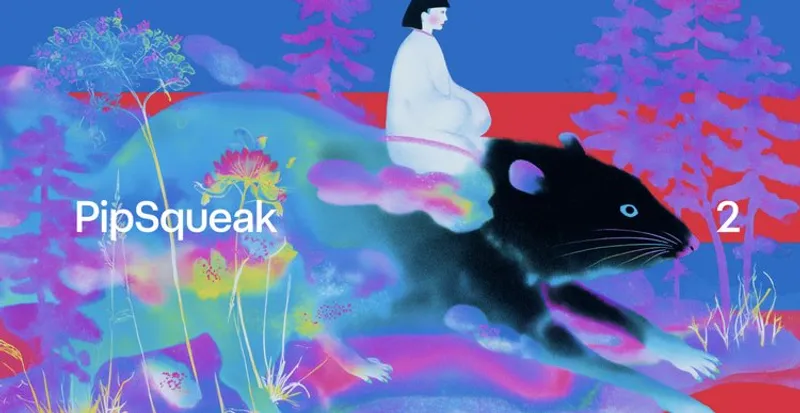
TLDR: Character.AI rolled out Pipsqueak 2, tighter free limits, more ads, filters, and age verification, angering users on Reddit. Many say the chatbot became generic and less interactive.
Key Takeaways:
- Character.AI lets users build AI companion characters, but it has faced lawsuits over alleged harms and medical claims.
- New free tier changes replaced liked models with Pipsqueak 2, plus ads, usage limits, content filters, and age verification.
- The backlash signals AI economics and safety compliance can quietly destroy user trust, even when teams say they are “small.”

When an AI companion gets “safer” and “cheaper,” it often feels like someone sanded off the personality. Character.AI is learning that user attachment is not a line item.
When an AI companion gets “safer” and “cheaper,” it often feels like someone sanded off the personality. Character.AI is learning that user attachment is not a line item.
Q&A
If safety and cost are forcing limits, what product changes could keep the vibe without weakening interactions?
Users tend to notice model behavior shifts first. Better approaches would include preserving conversational style across tiers, adding transparent personalization controls, and testing UI changes with opt in experiments.
Why do model swaps hit harder for companions than for generic chatbots?
Companions depend on consistent memory like tone, pacing, and follow through. A change that reduces dialogue participation breaks the relationship loop, not just the output quality.
What happens to Character.AI if the loudest criticism starts reducing free user retention?
Revenue from ads and upgrades usually depends on active users. If free retention collapses, the company faces a tighter feedback loop: more restrictions to fund costs, which can worsen churn.
Could age verification and heavier filters change the kind of community users form inside the app?
Yes. Even when content stays legal, the friction and removed behaviors can push users toward replacements that feel less moderated, or toward platforms with different safety cultures.
Is this pattern a sign AI companion products have limited longevity?
Not necessarily, but the economics are brutal. Platforms that cannot align compute costs with user willingness to pay and trust will keep revising features until the experience no longer matches expectations.



No comments yet. Be the first to share your thoughts!