
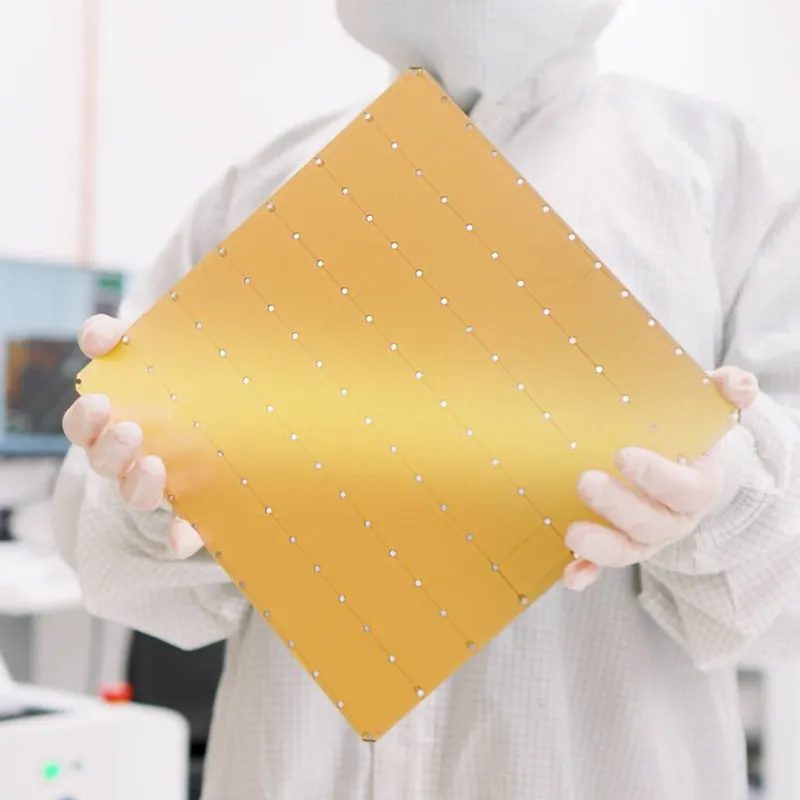
TLDR: NEW YORK—Cerebras closed its IPO day near a 100 billion market cap, pushing Wall Street demand for AI chip alternatives to Nvidia. The dinner plate size WSE 3 targets inference and stays sold out through 2027, affecting hyperscalers and cloud buyers.
Key Takeaways:
- Silicon Valley startups are racing Nvidia for AI compute as GPUs face cost and supply limits.
- Cerebras ships the WSE 3 custom ASIC, 57 times larger than a top GPU, built by TSMC on 5 nanometers.
- CFO Bob Komin says it remains sold out into 2027, accelerating the rise of other custom ASIC IPO candidates.

Nvidia built the AI runway with GPUs. Cerebras is now betting that the next sprint is about inference, and Wall Street is cheering like the finish line is already scheduled.
Nvidia built the AI runway with GPUs. Cerebras is now betting that the next sprint is about inference, and Wall Street is cheering like the finish line is already scheduled.
Q&A
If inference demand drives Cerebras, what happens to the market for general purpose GPUs?
Demand may split: GPUs remain strong for training, while custom ASICs like WSE 3 gain share for inference workloads that need speed and efficiency.
Why does a sold out chip forecast matter more than the IPO price?
A sold out forecast signals sustained buyer commitment and manufacturing leverage, which can outweigh short term volatility in early trading.
How does Cerebras operating model as a cloud service change its competitive pressure?
By running chips inside its own data centers, Cerebras sells outcomes and capacity, forcing customers to reorganize procurement beyond simply swapping hardware.
What does TSMC 5 nanometers for WSE 3 imply for future performance leaps?
It suggests incremental gains, since leading edge nodes like 2 nanometers are currently constrained, which could shape product roadmaps and pricing.
Could the IPO unlock more ASIC startups, or will capital chase the wrong bottleneck?
More IPOs are likely, but success may hinge on supply contracts, data center partnerships, and proving inference economics rather than only chip size or specs.




No comments yet. Be the first to share your thoughts!