
BYD Flash Chargers surge abroad, threatening Tesla Supercharger pricing
 Europe
 Tesla
Tesla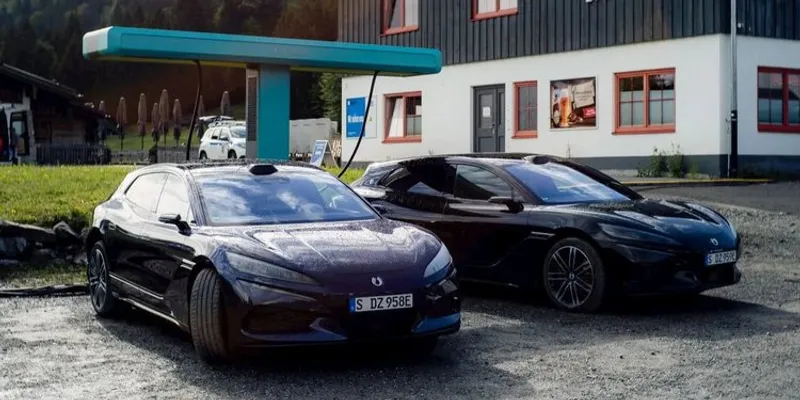
TLDR: LONDON—BYD opened Flash Charging in Germany and the UK, targeting around 50 pence per kW and faster charging up to 1500 kW, pressuring Tesla Superchargers.
Key Takeaways:
- BYD is exporting its Blade Battery 2.0 and Flash Charging system after launching it on new models at home.
- Flash stations claim up to 1500 kW, with pricing goals near 50 pence per kW and Denza Z9 GT ready for 10% to 70% in 5 minutes.
- If BYD secures retailer sites and scales to 300 UK chargers and 3,000 across Europe by end of 2026, fast charging pricing could reset.
- Only Blade Battery equipped vehicles reach maximum output; CCS port EVs still work but may not hit the top rate.
- BYD plans to power chargers with overnight battery charging from off peak grid electricity to cut costs.

The 1500 kW headline is eye catching, but the real lever is BYD betting it can make charging cheaper by shifting power to off peak hours and running more sessions.
The 1500 kW headline is eye catching, but the real lever is BYD betting it can make charging cheaper by shifting power to off peak hours and running more sessions.
Q&A
What happens to Tesla’s pricing power if BYD hits its sub 50 pence per kWh target in the UK?
Tesla may be forced toward targeted discounts, lower session pricing, or more aggressive subscription bundles to keep drivers from switching to the cheaper network.
Why does BYD’s maximum speed depend on its Blade Battery, and how could that shape adoption rates?
Limiting peak output to Blade equipped cars could slow early take up, but it also pushes buyers toward BYD and Denza models to access the full benefit.
Could retailers like supermarkets accelerate EV adoption faster than highway sites?
Yes. Drivers may accept slightly longer waits for shopping, and dense parking lot installs can normalize frequent charging without relying on road trips.
How might the overnight off peak battery approach change the economics of fast charging networks?
If the model consistently lowers energy input costs, networks can reduce per kW pricing or improve margins, making them more resilient during peak electricity price spikes.
What would you watch next to confirm BYD’s scale and competitiveness in Europe?
You would track whether deployments reach the planned 300 UK and 3,000 Europe totals, plus real world queue times and whether BYD sustains pricing as volumes grow.





No comments yet. Be the first to share your thoughts!