
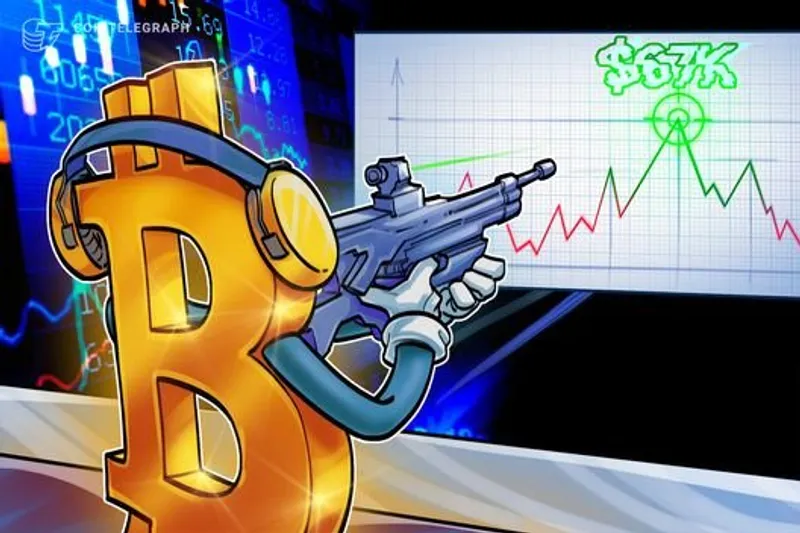
TLDR: LONDON—Bitcoin heads into CME futures 24 hour trading, ending weekend gaps that often pull BTC to fill discrepancies. Gaps still show targets near $67,000, affecting short term chart traders.
Key Takeaways:
- CME Bitcoin futures once created weekend gaps that start new weeks with chart discrepancies, sometimes filled after days or months.
- Starting Friday, CME Group moves Bitcoin futures to 24 hour trading, seven days a week, stopping new gaps from appearing.
- At least one open gap sits just above $67,000, and traders also track Bitfinex whales as short positions shrink while signals stay mixed.

CME is taking the weekend off from making new chart puzzles, but traders still have a backlog of “unfinished” magnets. Bitcoin can lose a familiar setup and still flirt with the last numbers on the map.
CME is taking the weekend off from making new chart puzzles, but traders still have a backlog of “unfinished” magnets. Bitcoin can lose a familiar setup and still flirt with the last numbers on the map.
Q&A
If CME stops creating weekend gaps, how will traders adapt their short term playbooks that relied on gap fills?
They will likely shift toward live liquidity cues, funding and order book signals, and any remaining chart gaps from older sessions rather than expecting fresh weekend discrepancies.
What does it mean for a “classic price magnet” to disappear if the market still has open gaps on the chart?
The magnet can fade as new drivers stop, but existing gaps still act as reference points for expectations, so traders may keep trading toward them even without new gap generation.
Why might BTC price action still move around an older CME gap even after 24 hour trading begins?
Open gaps keep influencing positioning and narratives, and weekend closure effects can linger through derivatives positioning, hedging flows, and liquidity preferences that do not instantly reset.
How could changes in CME market hours affect volatility and liquidity during U.S. weekends?
24 hour trading can smooth the transition between Friday and Sunday, potentially reducing abrupt jumps while spreading activity across more sessions, which may lower weekend spike risk.
Bitfinex whale signals look mixed, with shorts shrinking but long additions continuing. What should traders watch next to judge whether strength is real?
They should compare whale positioning shifts with spot and derivatives trends such as funding rates, liquidation patterns, and whether buys translate into sustained price support rather than short rebounds.
Top in Crypto
Google engineer accused of Polymarket insider trading bets

Google engineer charged after Polymarket bet profit hinges on data

Google employee arrested over Polymarket insider bets
Bitcoin slips below $73,000 as Trump pushes CLARITY Act

No comments yet. Be the first to share your thoughts!