
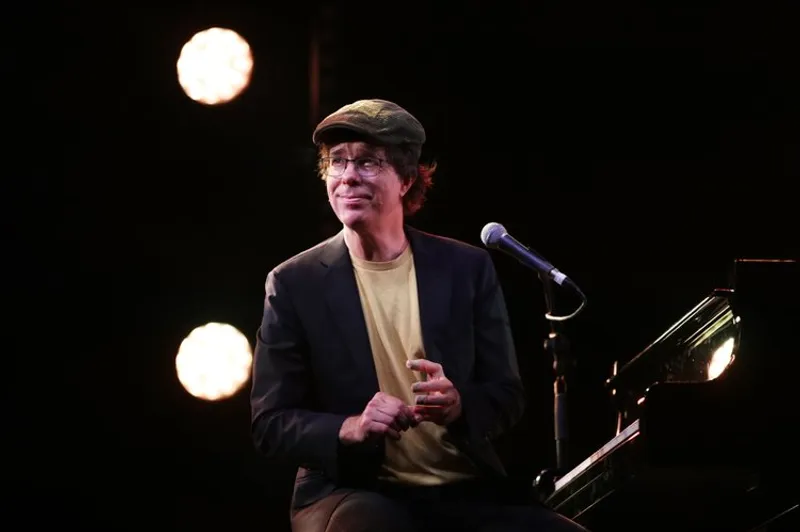
TLDR: WASHINGTON, D.C.—Ben Folds issued an Instagram open letter saying the National Symphony Orchestra may not survive after Trump took over the Kennedy Center, citing stalled programming, housing uncertainty, and collapsing fundraising and ticket sales. He urges fans, donors, and Congress to push for enforced, apolitical arts independence.
Key Takeaways:
- Ben Folds became NSO artistic adviser in 2017, launched Declassified, and resigned after Trump took charge of the Kennedy Center in 2025.
- He said the NSO has no programming for the upcoming season and may not survive, with endowment and bank linked funding tied up in Kennedy Center legal and financial trouble.
- Ticket sales and fundraising have plummeted since the takeover, and Folds called for stronger congressional safeguards and board guidelines for future directors.

Folds is doing the rare thing artists can do effectively: making the crisis specific, not symbolic. If people feel the orchestra slipping out of reach, the rebound will need more than headlines, it will need coordinated political pressure.
Folds is doing the rare thing artists can do effectively: making the crisis specific, not symbolic. If people feel the orchestra slipping out of reach, the rebound will need more than headlines, it will need coordinated political pressure.
Q&A
If the NSO returns to a stable home after renovations, what parts of this crisis could still linger for years?
Folds points to entangled legal and financial turmoil plus weakened audience confidence, so even after space is secured, fundraising momentum and artist booking may take longer to rebuild.
Why does Folds emphasize endowment mechanics tied to a bank note instead of focusing only on day to day programming?
Because the institution’s survival hinges on longer term cash flow, not just schedules, and when legal disputes tighten finances, budgets can tighten faster than audiences can.
What does a judge blocking renovation plans change, and what might still go wrong for the NSO?
It stops one immediate path, but Folds warns the process will stay messy, and appeals plus ongoing governance disputes can keep uncertainty high for seasons to come.
How could congressional safeguards work in practice to reduce the politicization Folds fears?
He asks for enforced independence and board guidelines requiring real arts administration experience, which could limit directors who treat the institution like a political stage.
Why does Folds frame public support and private letters as more than fundraising optics?
He implies political pressure travels through attention and documentation, so sustained public signals could shape oversight and bargaining even while legal battles grind on.



No comments yet. Be the first to share your thoughts!