
 AI
AI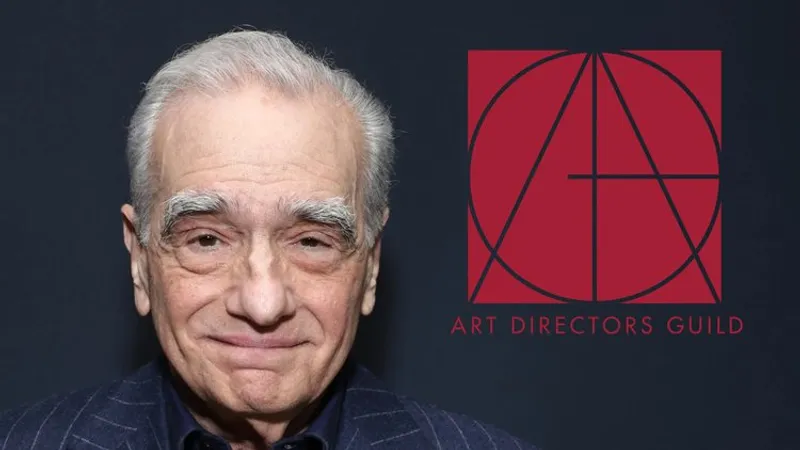
TLDR: WASHINGTON—The Art Directors Guild and IATSE Local 800 called Martin Scorsese AI endorsement a betrayal after he became an advisor to Black Forest Labs and promoted its FLUX storyboarding tool. They argue it circumvents union artists and relies on copyrighted material scraped without consent or transparency.
Key Takeaways:
- Art Directors Guild Local 800 and IATSE Local 800 defend human production design and illustration work in film and TV.
- In a statement, the union said Scorsese promoted Black Forest Labs FLUX by asking how to translate ideas to cast and crew.
- The backlash frames generative AI storyboarding as a threat to union jurisdiction and craft, pushing Hollywood’s AI fight into director star power.

Scorsese has long sold audiences on imagination, but this time the unions heard a different message. In Hollywood, the debate is no longer about whether AI can storyboard, it is about who gets credit, pay, and control.
Scorsese has long sold audiences on imagination, but this time the unions heard a different message. In Hollywood, the debate is no longer about whether AI can storyboard, it is about who gets credit, pay, and control.
Q&A
If unions consider FLUX a jurisdictional threat, what leverage could they use beyond public statements?
They can press for contractual language that limits AI use in storyboards and concept art, and they can challenge production practices through labor negotiations and enforcement.
Why does Scorsese framing speed and clarity still trigger labor backlash?
Because efficiency arguments do not automatically resolve consent, compensation, or authorship questions that unions tie to creative work and pipeline control.
What could a real compromise look like between directors and unions as AI tools spread?
A workable model would likely require disclosure of AI involvement, opt in workflows, clear attribution rules, and pay structures that recognize human artists as primary creators.
Could this controversy shape how investors evaluate generative AI for entertainment?
Yes, reputational risk can translate into slower studio adoption if companies believe union pushback will increase legal costs and production friction.
How does SAG AFTRA support for policy based on IP and civil rights protections change the stakes here?
It suggests momentum toward regulation and rights guardrails, meaning labor groups may pursue clearer rules for training data, consent, and worker protections before AI becomes a default.
Top in AI

Munich court pressure hits Google over AI Overviews

Sapient cuts foundation model training cost with HRM-Text

Fresh off bond sale, Amazon borrows $17.5B from banks
xAI fired Devin Kim after Grok safety alarms, lawsuit claims

No comments yet. Be the first to share your thoughts!