
 AI
AI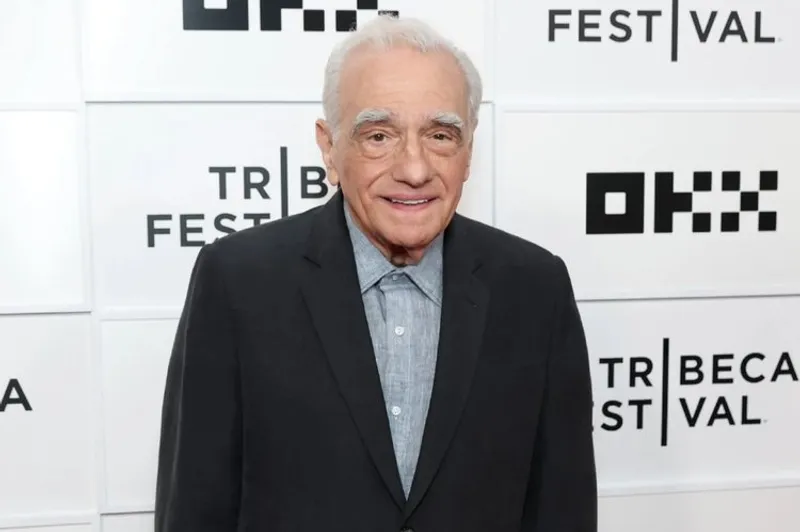
TLDR: NEW YORK—The Art Directors Guild accused Martin Scorsese of sidelining human artists after he partnered with Black Forest Labs to use Flux for storyboarding. The union argues the move bypasses Local 800 professionals and relies on training data it says was stolen.
Key Takeaways:
- The Art Directors Guild represents storyboard and art department workers, including Art Directors Guild Local 800 artists and designers.
- Scorsese endorsed Black Forest Labs and its Flux model, arguing it helps communicate visuals for cast and crew during storyboarding.
- The Guild says AI promotion circumvents Local 800 jurisdiction and that generative output stems from work likely stolen from artists worldwide.
- If more top filmmakers adopt Flux-like tools, unions may push tougher rules on credits, training data protections, and who gets to storyboard.

Scorsese has treated new tools like a lifelong curiosity, but unions hear a different sound: jobs slipping out of their hands before contracts catch up. The next fight will likely be about who owns the visuals, not just how fast they appear.
Scorsese has treated new tools like a lifelong curiosity, but unions hear a different sound: jobs slipping out of their hands before contracts catch up. The next fight will likely be about who owns the visuals, not just how fast they appear.
Q&A
Why does the Guild focus on jurisdiction instead of only ethics?
Because jurisdiction determines who is hired and paid to storyboard and design. Even if a tool speeds early visualization, unions will argue the workflow still belongs to specific skilled roles.
What could change on film sets if storyboarding shifts toward AI previews?
Budgets may shift toward faster concept rounds, but unions could demand minimum human storyboard labor, documented approval steps, and clear boundaries on what AI can produce.
How might this dispute affect how directors document creative authorship?
Studios could tighten paperwork on who creates storyboards and scenic concepts, and whether AI outputs can count as design work or must be treated as internal previsualization.
Could legal fights over training data become a practical bargaining chip?
Yes. Claims about training data and artist consent may influence settlement leverage, licensing demands, and whether companies provide provenance evidence to unions and studios.
If Scorsese framed AI as helping communicate ideas, why do unions reject that framing?
Unions argue communication is part of the job, but the method changes who performs it. They see efficiency claims as a pathway to bypassing the people they represent.



No comments yet. Be the first to share your thoughts!