
Apple Maps Flyover faces a 3D rendering showdown
 iOS
iOS Apple
Apple Apple Maps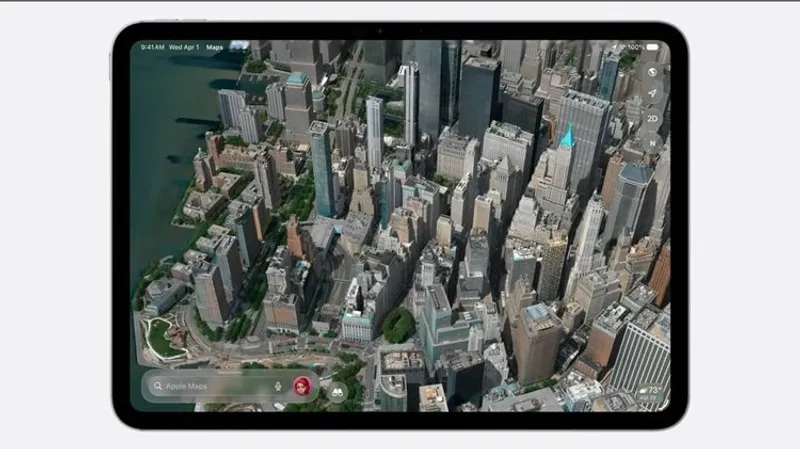
TLDR: LONDON—Apple at WWDC 2026 previewed iOS 27 Flyover, upgrading 3D city models for 350-plus cities. Vision Intelligence and possible Gaussian Splatting aim for sharper buildings and trees.
Key Takeaways:
- Apple Maps Flyover already shows 3D views for more than 350 cities, but iOS 27 targets richer visuals from aerial imagery.
- Apple says iOS 27 uses Vision Intelligence plus aerial imagery to model buildings, trees, and light reflections, and users suspect Gaussian Splatting.
- If Gaussian Splatting delivers cleaner results than photogrammetry, Apple Maps could feel more lifelike than Google Maps when the rollout hits.

Apple is betting that better 3D is not about more data, but about smarter rendering. If the Gaussian Splatting rumors land, Flyover may finally look less like a picture set and more like a place.
Apple is betting that better 3D is not about more data, but about smarter rendering. If the Gaussian Splatting rumors land, Flyover may finally look less like a picture set and more like a place.
Q&A
What changes for everyday users if Flyover switches from photogrammetry to Gaussian Splatting?
The biggest difference should show up in fine edges like tree shapes, building lines, and power line clutter, making views feel less smudged and more stable during interaction.
Why would Apple prefer Gaussian Splatting for oblique aerial imagery instead of sticking with photogrammetry?
Gaussian Splatting can produce smoother, more controllable 3D reconstructions from limited viewpoints, which may better preserve detail when imagery quality or angles vary.
What happens to Flyover coverage if only some cities upgrade first in iOS 27 beta testing?
Users may notice a patchwork experience where older areas look flatter while newer ones look upgraded, which could pressure Apple to prioritize consistency over expansion.
Could this move force Google Maps to update its own 3D pipeline sooner than planned?
A visible quality jump creates competitive pressure because 3D rendering is a user-facing feature, not a behind-the-scenes metric, so rivals often respond when screenshots start circulating.
How does the Vision Intelligence piece likely affect what you see, not just how fast it renders?
Vision Intelligence can help interpret aerial patterns into more coherent scene elements, so the AI may improve how buildings, vegetation, and lighting cues align with the underlying 3D model.





No comments yet. Be the first to share your thoughts!