
Apple Intelligence access splits iOS users into AI classes
 AI
AI iOS
iOS Apple
Apple Siri
Siri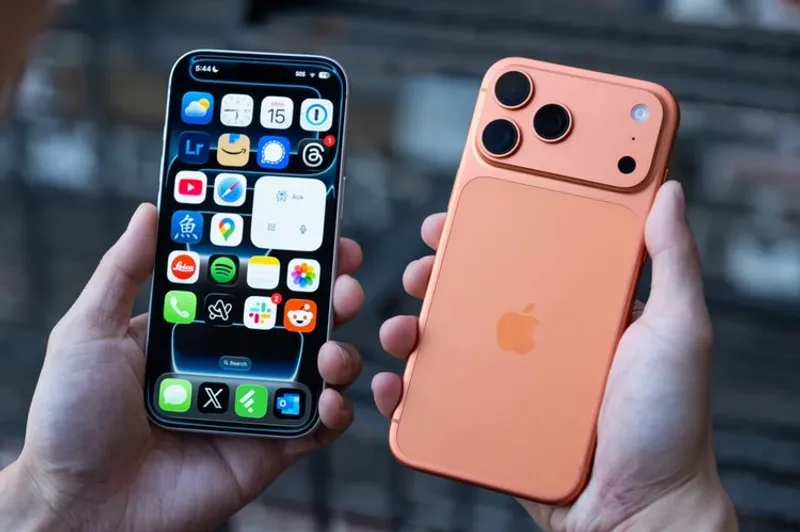
TLDR: LONDON—Apple iOS 27, macOS 27, and watchOS 27 require specific hardware and iCloud+ tiers for Apple Intelligence and AI Siri features, creating device classes.
Key Takeaways:
- Apple Intelligence access will depend on whether devices can run on device models and server features, not just whether they can install iOS 27.
- Apple limits “most powerful” on device AI to select models, including iPhone 17 Pro and iPhone Air with 12GB unified memory.
- Expect a growing upgrade pressure and feature gaps, plus watchOS eligibility confusion that can leave older Apple Watch owners stuck on partial updates.

Apple is turning “new AI” into a hardware club with a membership layer. The irony is that the fastest path to smarter Siri may be upgrading, not asking better questions.
Apple is turning “new AI” into a hardware club with a membership layer. The irony is that the fastest path to smarter Siri may be upgrading, not asking better questions.
Q&A
How will Apple explain feature limits over time without making older devices feel permanently capped?
Apple can frame limits as safety, privacy, and performance tradeoffs, but users will still experience missing capabilities as Apple Intelligence expands.
What happens when Apple migrates more Siri workloads from on device to the cloud?
Cloud dependence can deepen the role of iCloud+ and server availability, shifting the “AI gated community” from hardware to subscription tiers.
Why might unified memory matter more than headline chip names for AI features?
Unified memory impacts how many models can run efficiently on device, which can decide whether features like expressive voices or cleanup tools are feasible locally.
Could Apple reduce backlash by offering partial feature experiences to older devices?
Offering degraded modes, clear schedules, or a consistent fallback path could soften the upgrade pressure, but it would also narrow the incentive to buy new hardware.
What lessons does Apple’s watchOS confusion suggest for future update announcements?
Clear device eligibility tables, immediate documentation fixes, and fewer last minute changes could prevent trust erosion, especially when compatibility affects real everyday functions.
Top in AI
Anthropic opens Mythos model, but guards cybersecurity access

Hyatt’s sales AI buys time, boosts group bookings

Europe wants sovereign AI, but chip control bites

iOS 27 pressures Apple Passwords to fix breaches automatically

No comments yet. Be the first to share your thoughts!