
Anthropic unleashes Claude Fable 5 after Mythos safety scramble
 AI
AI Wall Street
 Fable
Fable Anthropic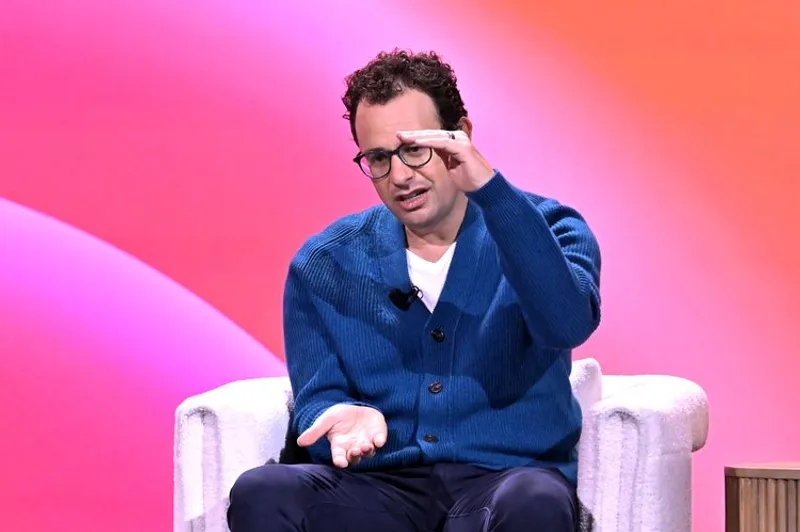
TLDR: SAN FRANCISCO—Anthropic released Claude Fable 5 to enterprise customers and paid subscribers after a limited Mythos rollout, using new safeguards to block high risk cybersecurity and biology answers. The upgrade targets software and knowledge work gains while raising costs to $10 per million input tokens and $50 per million output tokens.
Key Takeaways:
- Anthropic limited Mythos after April demand from Wall Street and government, channeling cybersecurity expertise through Project Glasswing.
- Claude Fable 5 is Mythos class, with classifiers that block requests such as bioweapon instructions and fall back to Claude Opus 4.8.
- Token pricing doubles versus Claude Opus 4.8, so customers will judge ROI by accuracy gains as Anthropic prepares for a potential IPO.
- Example: If a user asks how to make ricin, the model blocks that response and switches to Opus 4.8.

Mythos proved the juice. Claude Fable 5 proves Anthropic can scale it without gambling on every bad prompt the internet can conjure. Now the market will care less about capability theater and more about spend per task.
Mythos proved the juice. Claude Fable 5 proves Anthropic can scale it without gambling on every bad prompt the internet can conjure. Now the market will care less about capability theater and more about spend per task.
Q&A
Why does Anthropic need fallbacks like Claude Opus 4.8 instead of only refusing unsafe requests?
Fallbacks let the system still help with adjacent, safe tasks while avoiding dead ends. That improves user satisfaction without sacrificing safety in sensitive areas.
What happens to Project Glasswing once Claude Fable 5 goes wider than a select cybersecurity group?
The initiative can shift from proving the model to monitoring real world usage, collecting red team style incidents, and tuning classifiers where misuse attempts spike.
How might double token pricing change which companies adopt the model first?
Teams with high automation value, like security engineering and documentation pipelines, can justify spend if accuracy reduces retries and manual review.
What does this rollout signal about the competitive race with OpenAI ahead of IPO day?
Anthropic appears to be converting capability into measurable enterprise output now, not just demos. Investors typically reward models that turn usage into revenue predictably.
If safeguards block high risk topics, what risk shifts to attackers when the policy is more precise?
Attackers try to bypass controls with indirect phrasing and surrounding context. More targeted classifiers usually raise the cost of misuse while forcing defenders to iterate faster.
Top in AI

YouTube Terms of Service Allow AI Music Training, Google Says

Art Directors Guild challenges Scorsese over FLUX storyboarding AI

Art Directors Guild attacks Scorsese AI partnership
Anthropic rolls out Claude Fable 5, throttling Mythos queries

No comments yet. Be the first to share your thoughts!