
Anthropic releases Claude Mythos 5, pressure mounts over safeguards
 AI
AI Anthropic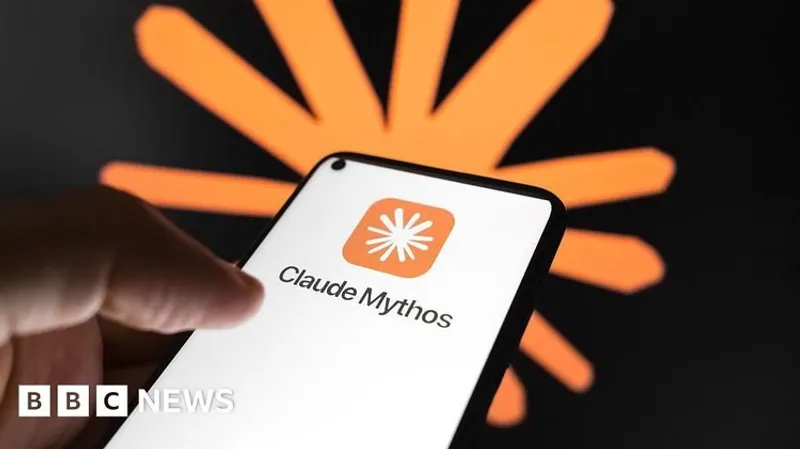
TLDR: LONDON—Anthropic released Claude Mythos 5, nicknamed Fable 5, to the public with safeguards. Critics fear cybersecurity and finance security risks.
Key Takeaways:
- Anthropic previewed Claude Mythos in April for select organizations, saying it was too powerful and could exploit computer systems.
- Anthropic says Fable 5 beats any earlier model in general availability and will add protections plus user limits.
- About 150 preview groups reported finding more than 10,000 critical security flaws, but Anthropic warns release risks and plans broader trusted access.

Anthropic is trying to sell control, not just capability, after last April’s fear cycle. The public release turns trust into a test, starting with how fast safeguards get stressed.
Anthropic is trying to sell control, not just capability, after last April’s fear cycle. The public release turns trust into a test, starting with how fast safeguards get stressed.
Q&A
If Claude Mythos 5 is released publicly, what specific failure would prove Anthropic underestimated the risk?
A real world breach or automated exploit chain that stems from model behavior despite stated safeguards would signal the protections are too shallow for misuse.
Why did Anthropic allow hundreds of testers to access Mythos before opening it up to everyone?
Targeted access lets security teams probe weaknesses and measure model behavior under controlled conditions before scaling exposure.
How could the “no cybersecurity or biology limitations” claim affect which organizations adopt Mythos 5 first?
Groups focused on security research and infrastructure work may move faster, while regulated users may demand extra governance even if Anthropic markets the access.
What does the reported 10,000 critical security flaws finding suggest about the model’s real-world footprint?
It implies Mythos 5 can meaningfully surface weaknesses, so even defenders should assume an expanding capability can also accelerate attacker discovery.
If AI companies “need a brake pedal,” what policy or technical mechanism could serve that role?
A mix of audited access controls, usage caps for high capability tiers, and mandatory red teaming with incident reporting could slow harmful scaling without stopping research.
Top in AI

YouTube Terms of Service Allow AI Music Training, Google Says

Art Directors Guild challenges Scorsese over FLUX storyboarding AI

Art Directors Guild attacks Scorsese AI partnership
Anthropic rolls out Claude Fable 5, throttling Mythos queries

No comments yet. Be the first to share your thoughts!