
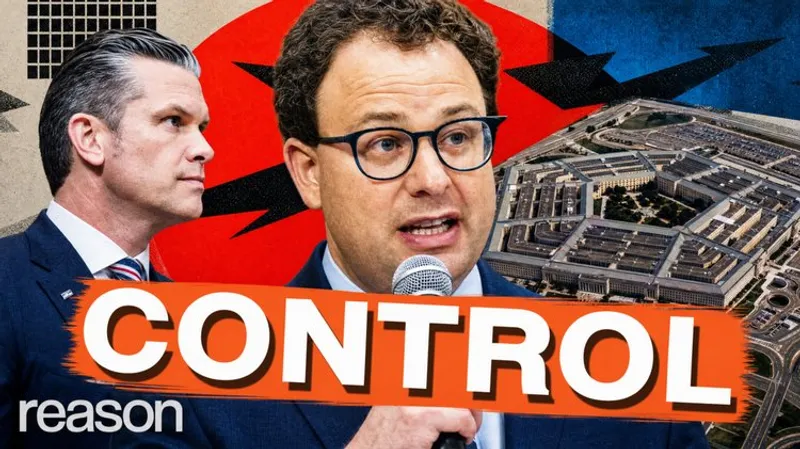
TLDR: WASHINGTON—Anthropic refused a DOD contract unless the Pentagon promised no autonomous killer robots or domestic mass surveillance, but the Pentagon branded the firm a “supply chain threat.” The dispute is in court as U.S. lawmakers like Bernie Sanders push a moratorium, while Ed Snowden and others argue technical safeguards and oversight must block abuses before AI alignment fails.
Key Takeaways:
- Anthropic challenged DOD access after fears of autonomous lethal force and domestic surveillance, echoing longtime privacy warnings from Ed Snowden and cypherpunks.
- The Pentagon accused Anthropic of sovereignty interference, and a federal judge backed Anthropic, calling the retaliation “Orwellian” under First Amendment law.
- The real battleground shifts to AI alignment and architecture, since a global pause is hard to enforce and can create worse surveillance and power imbalances.

The Pentagon wants control, Silicon Valley wants guardrails, and privacy advocates want architecture that blocks misuse even when trust runs out. The scary part is how many “ethics” promises still depend on code nobody can fully interrogate.
The Pentagon wants control, Silicon Valley wants guardrails, and privacy advocates want architecture that blocks misuse even when trust runs out. The scary part is how many “ethics” promises still depend on code nobody can fully interrogate.
Q&A
If alignment is the bottleneck, what measurable tests could courts and agencies demand from AI contractors?
Expect pressure for audit logs, refusal behavior under simulated unlawful requests, and evidence of controllability, because contracts alone cannot prove how a black box will act in edge cases.
Why does labeling a vendor a “supply chain threat” matter beyond one company’s contracts?
It can force ecosystem level shutdowns by pressuring Amazon, Google, and Nvidia style suppliers to sever ties, turning one dispute into a choke point for national AI capacity.
What happens next if the DOD uses OpenAI style deployment language to expand “lawful purposes” while still avoiding explicit red line triggers?
Companies may face broader requirements for technical safeguards at deployment time, not just policy language, because “human control only when required” can still enable practical surveillance.
Could a moratorium actually backfire on privacy even if the goal is safety?
A pause could shift leverage to countries without shared safeguards and could also increase incentives for intelligence agencies to intensify monitoring using existing tools.
How would “an I quit” refusal button change the risk profile of autonomous systems?
It introduces an emergency stop tied to moral constraints, but it also raises the stakes for how the refusal criteria are trained and whether real world tasks can bypass or override the boundary.





No comments yet. Be the first to share your thoughts!