
 Future
 OpenAI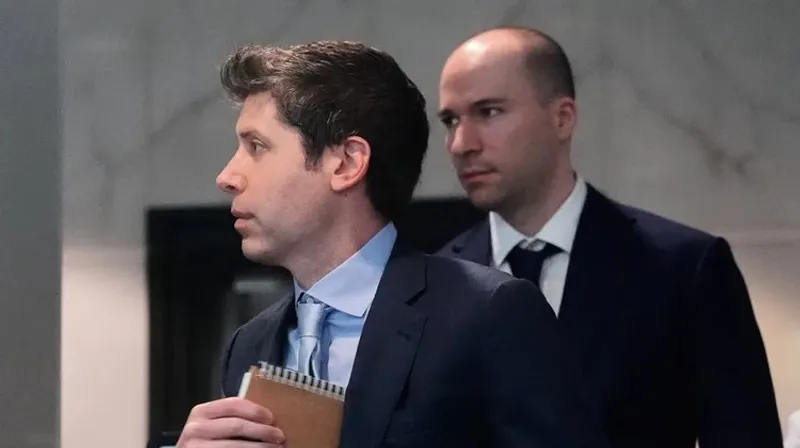
TLDR: WASHINGTON—OpenAI and CEO Sam Altman are bogged down in a political spending dispute tied to the pro AI super PAC Leading the Future and Silicon Valley backers, as backlash grows over midterm election donations. The fight raises fresh questions about how closely OpenAI and its leadership are affiliated.
Key Takeaways:
- OpenAI built ChatGPT, and its political presence is now under pressure as AI firms face backlash for election donations and influence.
- The dispute centers on Leading the Future, a pro AI super PAC backed by Silicon Valley supporters, with Altman facing renewed affiliation questions.
- As the spending fight drags on, OpenAI risks lasting brand and trust damage, while policymakers and voters tighten scrutiny of AI political ties.

OpenAI wants distance, but campaign dollars do not blur themselves. If Altman cannot untangle optics from affiliation, the ChatGPT story starts sounding like a donor story instead.
OpenAI wants distance, but campaign dollars do not blur themselves. If Altman cannot untangle optics from affiliation, the ChatGPT story starts sounding like a donor story instead.
Q&A
What does a super PAC affiliation fight change for OpenAI beyond headlines?
It can reshape how regulators, partners, and enterprise buyers evaluate OpenAI’s risk posture, especially where perceived political influence collides with compliance expectations.
Why might OpenAI struggle to “distance itself” even without direct control of super PAC spending?
Industry networks, donor overlap, and shared messaging can create a practical impression of alignment, which courts and voters often treat as political proximity, not just formal ownership.
What happens next if the dispute keeps expanding into broader election spending scrutiny?
OpenAI could face tighter demands for transparency, additional legal review, and more intrusive questions from lawmakers about funding channels, timelines, and governance boundaries.
How does the midterm donation backlash change incentives for Silicon Valley backers tied to AI causes?
Backers may shift from high visibility spending to more indirect advocacy, or they may harden messaging to preempt criticism, depending on which strategy reduces blowback.
Could this episode push AI companies toward a new political playbook?
Likely yes, with more separation between corporate leadership, employees, and outside political entities, plus clearer policies on endorsements, appearances, and funding disclosure.

No comments yet. Be the first to share your thoughts!