
 Trump
Trump AI
AI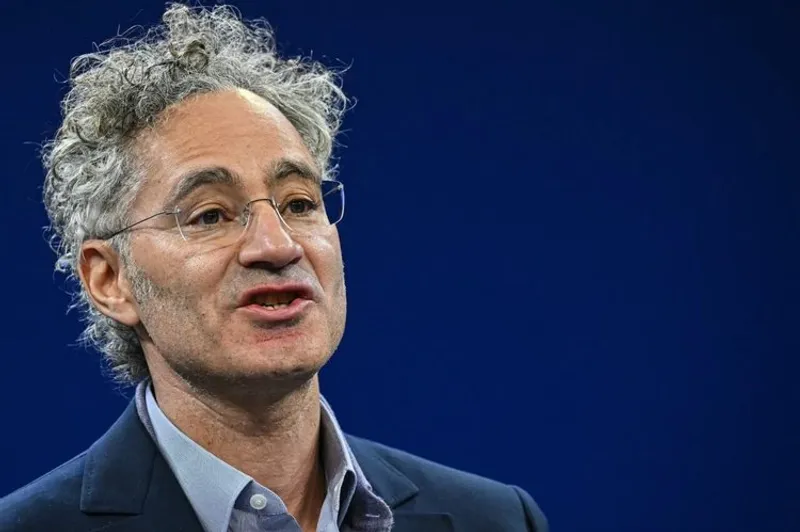
TLDR: Palantir CEO Alex Karp told CNBC that Sen. Bernie Sanders will “regret” seeking only 50 percent public ownership of major AI firms. Karp argued full nationalization is likely within two years as AI reshapes jobs, forcing Americans to retrain and shifting political power to AI policy.
Key Takeaways:
- Sanders, joined by some allies across the aisle, pushes public ownership of AI as job shocks could demand universal basic income.
- Karp warned Sanders will look less progressive in two years and suggested nationalization could become the left’s mainstream position.
- If AI ownership rules tighten, workforce retraining and who controls AI policy could become decisive in elections and economic stability.

It is the kind of political argument that sounds like percentage math until you remember who pays when AI disrupts work. Karp is basically daring Sanders to defend control, not just compassion.
It is the kind of political argument that sounds like percentage math until you remember who pays when AI disrupts work. Karp is basically daring Sanders to defend control, not just compassion.
Q&A
If a 50 percent ownership push fails politically, what takeover model could replace it without triggering full nationalization fears?
Lawmakers could shift toward regulatory control paired with public procurement, licensing requirements, and mandated compute or data access, leaving firms partly private but accountable to federal priorities.
Why does Karp frame AI ownership as a two year credibility test for progressives rather than an immediate policy debate?
He is banking on rapid, visible AI labor and national security impacts. As job losses, productivity wins, and defense adoption accelerate, voters may reevaluate what “public interest” means.
What would “retrain and retool” likely look like if AI job losses hit faster than current workforce programs can scale?
Companies and agencies may move toward faster credentialing pipelines, wage subsidies tied to new training, and government sponsored transitions that require employers to cooperate on placement.
How might Defense reliance on Anthropic complicate any attempt to nationalize or heavily influence AI model development?
Defense and intelligence procurement creates contractual incentives. Even if ownership policy shifts, agencies may keep using the strongest models, making control battles spill into contracting and compliance.
Why are some Republicans like David Sacks warning not just about Democrats, but about how future Democrat administrations could use conservative style regulations?
Sacks is suggesting today’s favored restrictions can become tomorrow’s enforcement tools. If the state gains leverage over AI, the same mechanisms could later constrain conservatives during a Democratic return to power.



No comments yet. Be the first to share your thoughts!