
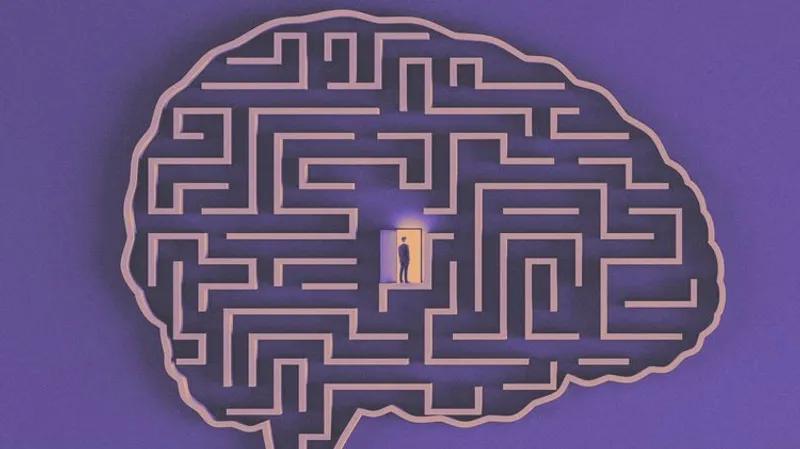
TLDR: AI collapses uncertainty, replacing curiosity with passive consumption. Science says people and leaders can rebuild it.
Key Takeaways:
- Curiosity thrives on uncertainty, reward circuitry, and active learning. Restraint historically kept exploration safe within limits.
- AI offers fluent answers that create artificial certainty. That shifts minds from generating questions to consuming outputs.
- Curiosity can be trained with question first habits, novelty exposure, and time for reflection. Leaders must reward inquiry, not just speed.

The real risk of AI is not getting answers, but losing the itch that makes answers worth chasing. Curiosity returns when people slow down just enough to ask better questions than the machine did.
The real risk of AI is not getting answers, but losing the itch that makes answers worth chasing. Curiosity returns when people slow down just enough to ask better questions than the machine did.
Q&A
If AI reduces the need to struggle, what should learners do with the missing effort?
They can shift effort upstream by writing questions before prompting tools, then verifying claims through sources and small experiments.
How can organizations measure curiosity without turning it into a buzzword metric?
Track learning loops like hypothesis revisions, peer debate quality, and time spent exploring alternatives, not just final output speed.
Why does fast correctness feel persuasive even when it is not comprehension?
Coherent language triggers fluency, which can mimic understanding while leaving mental models untested against reality.
What leadership behaviors signal curiosity more than slogans ever could?
Leaders who admit unknowns, ask uncertainty probing questions, and change course based on new evidence create permission to explore.
Could the same AI systems that blunt curiosity be redesigned to strengthen it?
Yes, by prompting learners to predict, question, and critique outputs before accepting them, forcing uncertainty to stay alive.



No comments yet. Be the first to share your thoughts!