
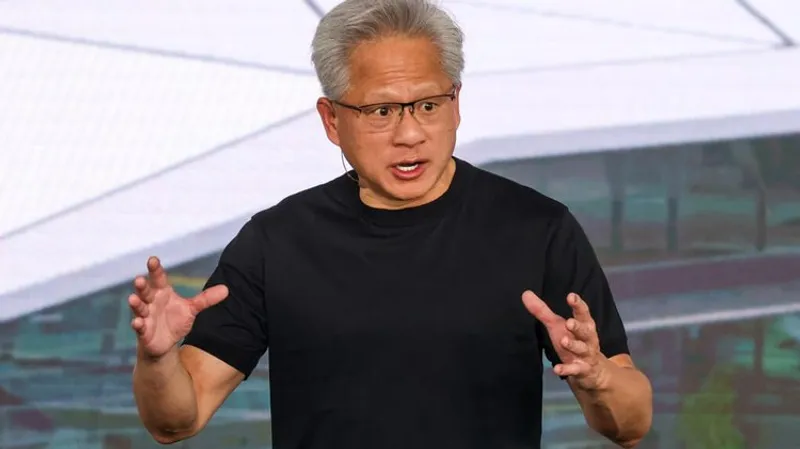
TLDR: SYDNEY—Jensen Huang and Sam Altman walked back doom warnings that AI would trigger mass unemployment, arguing recent layoffs were not driven by AI. The shift matters as public anger grows and economic leaders warn major workplace reordering could still be ahead.
Key Takeaways:
- Industry leaders face backlash as polling shows rising fear of AI workplace disruption across major economies.
- Huang called AI job loss links “lazy,” citing corporate layoffs before clear AI effects; Altman said his own “jobs apocalypse” expectations were off.
- If doom predictions fade while job churn continues, trust and investor buy in for future IPOs could hinge on how impacts are framed.

The industry is learning a painfully human lesson: fear travels faster than evidence. Now CEOs are swapping doomsday certainty for measured language, while workers still judge by their paychecks.
The industry is learning a painfully human lesson: fear travels faster than evidence. Now CEOs are swapping doomsday certainty for measured language, while workers still judge by their paychecks.
Q&A
If layoffs are not mainly driven by AI, what is driving the timing of those cuts?
Executives point to broader cost and restructuring cycles. The next test will be whether layoffs track revenue pressure and reorganization speed more than AI adoption timelines.
How could shifting CEO messaging change public trust in AI?
When earlier statements overstate harm, credibility drops. If leaders backtrack, regulators and voters may demand clearer, measurable promises about jobs and retraining.
What happens if overall employment effects remain small but workers still feel abrupt disruption?
Small aggregate changes can coexist with severe churn in specific roles. That gap can fuel continued political and workplace resistance even without large economy wide unemployment.
Why would investors care about job loss predictions during IPO preparations?
IPOs need long term narratives. If markets perceive exaggerated social claims, valuation and risk assessments could tilt toward reputational and regulatory exposure.
Could central bank and labor warnings still turn out right even as CEOs walk back doom talk?
Lisa Cook signaled that job losses might come before gains. CEOs may be debating magnitude and timing while policymakers watch for lag effects and sector specific shocks.
Top in AI
Benioff bets AI agents will make Salesforce software cheaper

Reason taps Larkin to question AI’s lessons

Rivian Assistant turns vehicle control into AI voice demands

Vertus bets on AI reliability against confident hallucinations

No comments yet. Be the first to share your thoughts!